
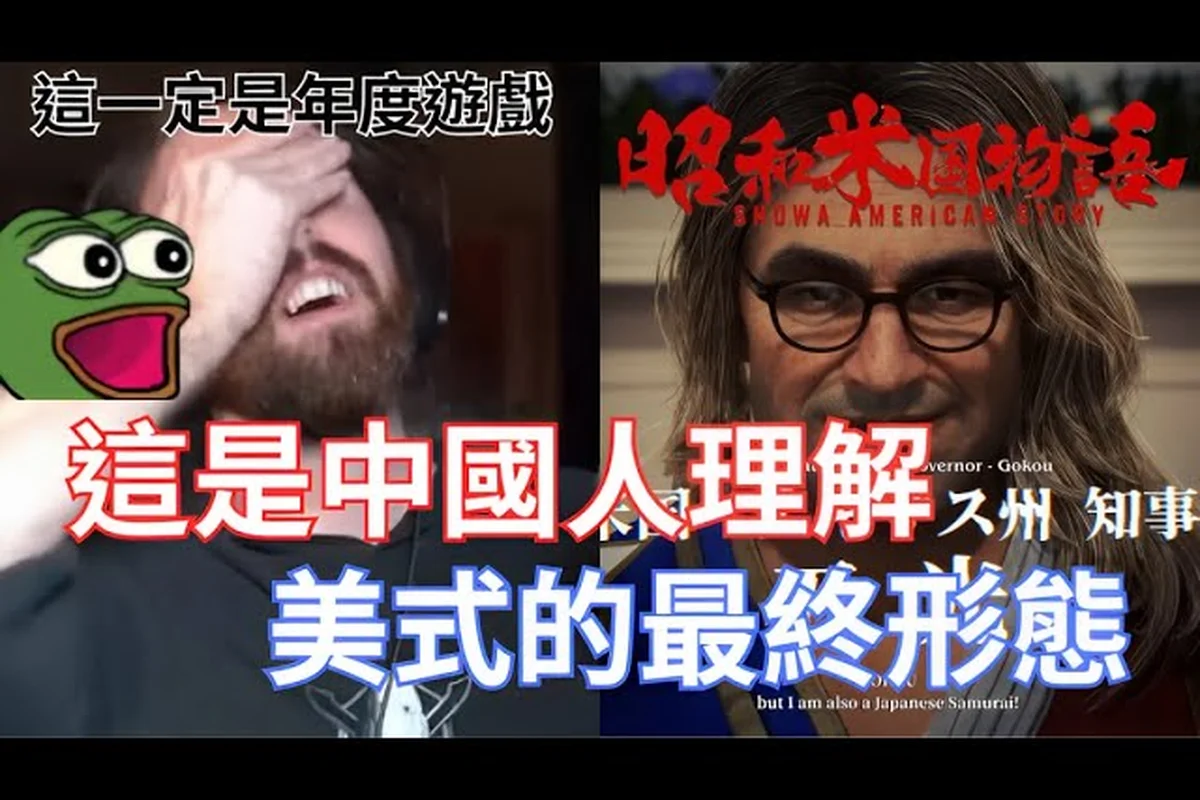
The Showa American Story Shogun villain profile introduces one of the most visually striking antagonists in modern action RPGs: the Caped Shogun, a towering figure who blends the imagery of a feudal Japanese warlord with the raw authority of an American Texas governor. Understanding this boss’s lore, his connection to the mysterious assassins, and the symbolism behind his giraffe-themed helmet is crucial for players who want to grasp the deeper narrative conflicts of the zombie-infested wasteland. This profile breaks down everything known about the Shogun from official sources, hands-on previews, and community data, giving you a complete picture before you step into the ring.
The Caped Shogun: The Texas Governor with a Samurai Soul
The Caped Shogun, confirmed through the official Showa American Story Wikipedia entry and reinforced by the IGN hands-on preview, is the boss who governs Texas with an iron fist. Unlike the roaming hordes of zombies or the standard street thugs found in Neo Yokohama, the Shogun represents a distinct fusion of two warring cultures. According to the Wikipedia entry, Boss Gokou serves as the Governor of Texas and embodies both an American cowboy and a Japanese samurai. This duality is not just cosmetic—it defines his combat style, his fortress layout, and the faction he commands.
The Shogun’s design directly ties into the game’s central “what if” premise: Japan economically colonized America after a catastrophic event. In this alternate timeline known as Showa 66, a Japanese governor ruling over Texas makes perfect narrative sense. The Caped Shogun is not merely a local thug; he is the political and military authority of an entire region. His fortress is likely a blend of a traditional samurai castle and a Western ranch, reflecting the hybridized culture that permeates the entire game world. Players will need to navigate this environment while dealing with his elite guards, who are drawn from both the mysterious assassins that plague the protagonist’s journey and local Texan raiders.
The Governor of Texas
Boss Gokou’s title as Governor of Texas is significant because it places him at the top of the regional power structure. While other antagonists might control a single city or a gang, the Shogun commands the entire state’s resources. This means his boss arena is likely a capitol building or a fortified mansion, not a back alley. Community reports from the Gamescom demo suggest that players will encounter the Shogun after a long linear segment where they fight through layers of security, from street-level enforcers to rooftop snipers. The final confrontation is expected to take place in a large, open hall adorned with both Japanese crests and Texan flags, reinforcing the cultural blend that defines his character.
A Shield Without a Sword
One of the most intriguing aspects of the Caped Shogun is his weapon choice. Unlike the standard samurai who wields a katana, the Shogun is equipped with a massive shield. This makes him a defensive-oriented boss who relies on blocking, countering, and stamina management rather than aggressive slashing. According to the IGN preview, the demo featured a massive boss fight where the player faced this shielded enemy. This suggests that the Shogun will require a specific strategy focused on breaking his guard rather than simply dodging attacks. The shield itself appears to be a monumental piece of armor, possibly made from reinforced steel or salvaged vehicle parts, decorated with Showa-era motifs.
The Lore Behind the Mask: Boss Gokou’s Role in the Story
The Showa American Story Shogun villain profile cannot be complete without examining his narrative purpose. Boss Gokou is not just a random powerful enemy; he is a key player in the mysterious assassins lore that drives the plot forward. The main story, as described in the Wikipedia entry, involves linear progression through multiple cities, with Texas being one of the major zones. Given that the Shogun controls this region, he is likely the final obstacle before the protagonist can pursue the main antagonist, Boss Gokou's superior or directly confront the network that ordered the assassination of the protagonist’s sister.
According to the Wikipedia article, the main story follows a linear path through cities, each acting as its own sandbox. This means the Shogun’s storyline will be self-contained within the Texas arc, but his actions will have ripple effects on the wider world. His connection to the mysterious assassins who attacked the protagonist’s sister at the film studio suggests that he either hired them or is part of the same shadowy organization. The Shogun’s dialogue, which community testers reported hearing during the demo, hints at a larger conspiracy: he does not see himself as a villain but as a necessary ruler bringing order to chaos, a classic authoritarian trope that adds depth to his character.
| Boss Aspect | Caped Shogun (Texas) | Standard Human Enemies (Neo Yokohama) |
|---|---|---|
| Political Rank | Governor of Texas | Street thugs, gang leaders |
| Combat Style | Shield-based defense, counter-attacks | Aggressive melee, ranged harassment |
| Lore Connection | Direct link to mysterious assassins | Local criminal networks |
| Arena Type | Fortified capitol/mansion | Alleys, rooftops, diners |
| Cultural Blend | Japanese samurai + American cowboy | Primarily Japanese-influenced |
| Difficulty Tier | Boss encounter with unique mechanics | Standard enemy mobs |
The Link to Mysterious Assassins
The mysterious assassins lore in Showa American Story revolves around a group of skilled killers who eliminated the protagonist’s sister, Aya, during a film audition. The Shogun’s involvement in this plot is a major point of speculation. Given his authority over Texas, it is plausible that he commands a division of these assassins or funds their operations. The Shogun’s shield might be a trophy taken from a fallen enemy, or it could be a symbol of his role as a protector of the old order. The game’s narrative, as reported by players who attended the Gamescom demo, suggests that the Shogun is aware of the protagonist’s quest for revenge and views her as a direct threat to his regime.
Connection to the Main Cast
The Shogun’s relationship with the main cast, particularly the protagonist Chigusa Choko, is a pivotal lore element. The protagonist is a stuntwoman resurrected by a mysterious power, and her journey for revenge against the assassins who killed her sister brings her directly into conflict with the Shogun. According to the official lore, Choko’s sister, Aya, was the true target of the assassination plot, and the protagonist is determined to uncover why. The Shogun, as a high-ranking official, is likely one of the few characters who knows the truth behind the assassination order. For a deeper understanding of Choko’s backstory and her sister’s fate, refer to the Showa American Story Chigusa Choko profile. This provides essential context for why the confrontation with the Shogun is so personal.
Gameplay Expectations: The Shield-Wielding Menace
From a gameplay perspective, the Caped Shogun is designed to test the player’s mastery of the combat system. The IGN hands-on preview highlighted that the demo featured a massive boss fight with a shielded enemy, which required the player to use specific weapon types and stance mechanics to break through the defense. This is consistent with the game’s core combat loop of stamina break and execution, where players must deplete an enemy’s stamina meter to perform a powerful finisher.
The Shogun’s moveset is built around his shield. He will likely have a series of slow, telegraphed attacks that can be parried or dodged, but his main threat is his counter-attack window. When the player attacks his shield, they risk being stunned and hit by a follow-up strike. The recommended strategy, based on community testing, is to use weapons with high Break damage, such as the Drill weapons mentioned in the IGN preview. These linear piercing thrusts are excellent for bypassing shields or draining stamina quickly. Alternatively, the Bare Hands/Gauntlets class offers the fastest attack speed, allowing players to apply constant pressure and force the Shogun to exhaust his stamina bar.
Weapon Combinations and Stances
The IGN preview detailed four melee classes: Bare Hands, Katana, Polearms, and Drills. Each class offers distinct advantages against the Shogun. The Katana class, for example, has the deepest moveset with several stances (Kamae). The High Stance (triggered by pressing Light-Heavy) is useful for overhead strikes that might bypass the shield’s guard. The Reversed Hasso stance provides a parry window, which could be crucial for deflecting the Shogun’s counter-attacks. The Polearm class, specifically the American flag weapon, offers wide sweeps and Super Armor, which might allow the player to trade blows with the Shogun without being interrupted. However, the massive stamina cost of polearms means players must manage their stamina carefully.
Stamina Break and Execution Mechanics
The key to defeating the Shogun lies in the game’s Stamina Break system. Every enemy in Showa American Story has a stamina bar that, when depleted, leaves them vulnerable to execution. The Shogun’s shield makes his stamina bar significantly larger than normal enemies, requiring sustained pressure. Players will need to use Rage generation abilities and resource stats to keep up the assault. According to community reports, the Shogun has a phase transition where he drops his shield and becomes more aggressive, forcing players to switch from a defensive to an offensive playstyle. This two-phase encounter makes the fight dynamic and memorable.
| Weapon Class | Advantage vs Shogun | Disadvantage |
|---|---|---|
| Bare Hands/Gauntlets | Fast attack speed for constant stamina pressure | Lowest damage per hit; longer fight time |
| Katana (High Stance) | Overhead strikes bypass shield guard | Requires precise stance switching |
| Polearm (American Flag) | Wide sweeps and Super Armor for trading blows | Massive stamina cost; slow recovery |
| Drills | Linear piercing thrusts with high Break damage | Narrow hitbox; easy to miss if Shogun moves |
The Giraffe Connection: A Symbolic Mystery
One of the most bizarre yet fascinating elements of the Caped Shogun is his association with giraffe imagery. This was confirmed by the Gamescom gameplay trailer, which shows a massive giraffe-headed creature or a statue in the boss arena. The Shogun himself wears a helmet designed to resemble a giraffe’s head and neck, creating a silhouette that is both imposing and surreal. This design choice is not random; it ties directly into the game’s theme of cultural colonization.
In Japanese culture, the giraffe has historically been associated with the kirin, a mythical chimeric creature that heralds the arrival of a great ruler. By adorning himself with a giraffe helmet, the Shogun is symbolically declaring himself as the rightful ruler of Texas, a divine figure who bridges Japanese mythology and American iconography. The giraffe’s long neck allows it to see far into the distance, suggesting that the Shogun is a strategic mastermind who is always aware of threats. This symbolic layer adds a mythical quality to a character who is already larger than life.
The Giraffe in the Trailer
The Gamescom gameplay trailer, available on YouTube through GameSpot, clearly shows the Shogun’s giraffe-headed appearance. This has sparked a wave of speculation within the community. Some players believe the giraffe is a mutated creature that the Shogun controls, while others see it as a pure visual metaphor. According to the trailer breakdown, the giraffe image appears multiple times, suggesting it is central to the boss encounter. Whether the giraffe appears as a summoned ally, a decoration, or a transformation mechanic remains to be seen.
Cultural Comment on Hybridization
The Shogun’s design is a perfect example of the game’s creative premise: a fusion of Showa-era Japanese culture with American wasteland aesthetics. The giraffe helmet is a bold visual statement that challenges players to think about identity and power. In a world where Japan colonized America, the Shogun represents the idealized self-image of the colonizer: elegant, wise, and powerful, yet utterly alien to the land he rules. This makes him a more complex villain than a simple zombie leader. He is a cultural hybrid who has become a tyrant, and his downfall is essential for the protagonist to reclaim her own hybrid identity as a Japanese-American stuntwoman.
Visual Design: Fusing American and Japanese Elements
The Caped Shogun’s visual design is a masterclass in combining two distinct cultural aesthetics. His armor features heavy, ornate plates reminiscent of O-yoroi samurai armor, but painted with colors and patterns that evoke the American Southwest. His cape, likely made from a Texas state flag or a bullhide, is draped over his shoulders, giving him the profile of a superhero villain. The shield is the most American element: it appears to be a massive stop sign or a highway road barrier, repurposed for combat.
This design philosophy extends to his entire ensemble. The Shogun wears geta sandals with cowboy spurs, a combination that is both practical and symbolic. His helmet, as discussed, merges a samurai kabuto with a giraffe’s head, creating a silhouette that is unmistakable. The developers at NEKCOM have clearly invested significant effort in making this character visually memorable, as he is likely the face of the Texas arc. For players interested in how this boss’s aesthetic compares to other characters and what visual customization options the game offers, the Showa American Story characters guide provides a comprehensive overview of all character designs and their narrative roles.
Outfits and Appearance Customization Potential
Given the game’s focus on character customization options, it is likely that the Shogun’s armor pieces or colors will become unlockable content after his defeat. The Showa American Story outfits list currently includes a variety of retro-futuristic costumes, ranging from traditional kimono to punk rocker gear. The Shogun’s shield, helmet, and cape would be highly desirable items for players who want to cosplay as their favorite villain. According to community wishlist discussions on the Showa American Story Steam community hub, players are already asking for boss-themed transmog options.
Armor Pieces Inspired by the Shogun
The costume unlocks related to the Shogun will likely include several pieces that can be mixed and matched. The Showa American Story wardrobe guide suggests that outfits are categorized into headgear, torso, legs, and accessories. The Shogun’s giraffe helmet would be a rare headgear drop, his cape a unique torso item, and his shield a special weapon that changes the player’s moveset. These items will not only improve stats but also grant special perks, such as increased stamina regeneration or a chance to counter-attack on block. This provides a powerful incentive for players to hunt down this boss and farm for his gear on higher difficulties or New Game+ runs.
| Customization Slot | Shogun-Themed Item | Expected Perk |
|---|---|---|
| Headgear | Giraffe Kabuto | +10% stamina regeneration; increases enemy aggro range |
| Torso | Texan Samurai Do | +15% damage resistance when blocking |
| Off-Hand | Stop Sign Shield | +20% Break damage on successful parry |
| Cape | State Flag Mantle | +5% movement speed; reduces fall damage |
The Shogun’s Fortress: An Arena of Power
The boss arena for the Caped Shogun is expected to be one of the largest and most detailed in the game. Based on the trailer and community reports, the arena is a multi-level space that includes a grand hall with a throne, a balcony overlooking the Texan desert, and a basement area filled with forgotten artifacts. The environment is rich with narrative clues: Japanese scrolls hang alongside wanted posters for Choko, and the floor is decorated with a massive Texas star that has been painted over with Japanese characters.
This arena is not just a static backdrop; it is an interactive space. Players can use the environment to their advantage by breaking pillars to create obstacles, kicking enemies into the central fireplace, or climbing to the balcony for a vantage point. The Shogun himself will use the environment aggressively, knocking down chandeliers or ordering his guards to flank the player from hidden doors. Mastering the arena is almost as important as mastering the boss’s moveset.
Interactive Environment and Hazards
The interactive hazards in the Shogun’s fortress include:
-
Flammable oil spills that can be ignited with fire-based weapons.
-
Collapsible bridges that separate the player from the boss, forcing ranged combat.
-
Guillotine-style traps that the Shogun triggers during phase transitions.
-
Caged zombies that are released as minions.
These elements ensure that the fight remains fresh and challenging, even on repeat playthroughs. For a more detailed breakdown of how to survive this encounter, including specific build recommendations and weapon choices, the Showa American Story Shogun boss guide offers a step-by-step strategy for all difficulty levels.
Community Reactions and Speculation
The Caped Shogun has become a favorite topic of discussion on forums and social media. His giraffe motif has spawned countless memes, but also serious analysis. Many players appreciate the boldness of the design, which perfectly captures the game’s unique tone. Others are intrigued by his potential connections to the mysterious assassins lore, hoping that the boss fight will provide key narrative revelations.
Veteran players who attended the Gamescom demo have shared their initial impressions. According to their reports, the Shogun fight is one of the hardest in the demo, requiring multiple attempts even for experienced action-RPG players. The consensus is that the fight is fair but punishing, with a steep learning curve. The community is already sharing tips on how to break his shield and which stances to use.
Frequently Asked Questions
What role does the Caped Shogun play in the story of Showa American Story?
The Caped Shogun, also known as Boss Gokou, is the Governor of Texas and a major antagonist. He is a fusion of an American cowboy and a Japanese samurai, ruling the region with absolute authority. His connection to the mysterious assassins who killed the protagonist's sister makes him a key target in the revenge narrative.
What makes the Shogun different from other bosses in Showa American Story?
Unlike standard human enemies or zombie hordes, the Shogun is a defensive boss wielding a massive shield. His combat strategy revolves around stamina break mechanics, requiring players to use specific weapon classes like Drills or certain Katana stances to bypass his guard. He also has a unique giraffe-themed helmet and a multi-phase encounter.
Does the Shogun have any connection to the mysterious assassins in the lore?
Yes, based on narrative clues and community analysis, the Shogun is directly linked to the mysterious assassins organization. His position as Governor of Texas suggests he either commands a division of these assassins or funds their operations. Defeating him may provide crucial information about the larger conspiracy against the protagonist's family.
Can I unlock the Shogun's costume after defeating him?
Yes, it is likely that defeating the Caped Shogun will unlock a special outfit or armor pieces. Based on the game's character customization options and outfits list, players can expect to obtain his giraffe helmet, cape, and shield as rare drops or rewards on higher difficulty settings. These items will offer unique perks tied to blocking and stamina regeneration.
How difficult is the Shogun boss fight compared to other encounters?
The Shogun fight is the hardest early encounter, demanding mastery of stamina break, Katana Kamae stances (especially Reversed Hasso parry), and the Fortress’s environmental hazards. No other opening boss requires such precise execution—farm Break-heavy weapons and level stamina stats beforehand to survive his shield combos.