
Combat & Weapons
Master Showa American Story combat — dodge and counter timing, melee weapons, firearms, and strange contraptions compared for every horde-breaking playstyle.
Introduction
Combat is the beating heart of Showa American Story, and this category breaks down every tool of destruction Choko can carry across the Showa 66 wasteland. The system is deliberately strategy-based: movement, dodge timing, and counters matter more than raw attack spam, and the arsenal is built around that rhythm. Melee weapons with wide arcs are your horde-control backbone; firearms deliver strong burst damage but ration their scarce ammunition; and the strange contraptions — the game's signature experimental weapons — trade reliability for spectacle and occasional brilliance. Guides here compare weapon classes side by side, explain the dodge-counter window that multiplies your damage, map where rare weapons hide, and break down the attack patterns of every enemy family so you know which tool to draw and when.
Weapon Class Tier Rankings
| Tier | Class | Style | Combat Role |
|---|---|---|---|
| S | Melee Weapons | Close-quarters | Wide arcs control dense hordes with zero ammo cost |
| A | Firearms | Ranged burst | Devastating burst damage, rationed by scarce ammunition |
| B | Strange Contraptions | Experimental | Playful trade-off tools — fun, weird, occasionally brilliant |
| C | Situational Tools | Niche picks | Shine only in specific encounters or after heavy upgrades |
Weapon Class Roster
Melee Weapons
The horde-control backbone — wide arcs, zero ammo cost, and reliable stagger.
Firearms
Strong burst damage rationed by deliberately scarce ammunition.
Strange Contraptions
Experimental devices with playful trade-offs — the game's signature weirdness.
Situational Tools
Niche picks that shine only in specific encounters or after heavy upgrades.
Core Mechanics
Every fight in Showa American Story runs on the four-pillar loop: moving repositions you out of surround danger, attacks build pressure, dodges create invulnerability windows, and counters convert a well-timed dodge into massive damage. Weapon classes plug into that loop differently. Melee weapons feed it continuously — no ammo, generous arcs, and stagger that keeps hordes at reach. Firearms interrupt it: each shot is a decision, because ammunition is scarce enough that spraying is a resource trap. Contraptions bend the rules entirely, from crowd-control gadgets to outright absurd tools that reflect the game's B-movie humor. Layered on top are finisher moves for broken enemies, damage types that matter against armored elites, and buff and debuff items that temporarily rewrite your stats. Mastering the category means knowing which pillar each weapon strengthens.
Advantages
The combat system's greatest strength is that skill expression scales: the same dodge-counter window that trivializes standard zombies also shreds elite mutants, so early practice compounds into late-game power. The arsenal's mix-and-match design means no player is locked into one playstyle — a melee-first loadout with one emergency firearm handles ninety percent of encounters, and swapping in a contraption for specific fights is cheap. Ammo scarcity, often a frustration in other games, here works in your favor: it forces melee mastery, and melee is the most reliable damage in the game. The horde design also rewards the system — enemies spawn in dense groups that wide-arcing melee weapons dispatch efficiently, making well-played fights feel like choreographed B-movie set pieces rather than stat checks.
Challenges
The system's sharp edges cut both ways. Ammo scarcity punishes players who lean on firearms as a crutch — a dry gun in an elite fight is a death sentence, and the game gives little warning before you run dry. Contraptions are inconsistent by design: their trade-offs can feel more gimmicky than powerful in serious fights, and several only shine after upgrades a first playthrough may not afford. The dodge-counter window demands commitment — mistimed dodges are punished hard by mutant-tier enemies, and the game's horde density can make repositioning feel cramped on screen. Finally, because the game is pre-launch, exact damage numbers and weapon stats in these guides come from preview footage and may shift at release; treat rankings as directional until the launch-verification pass.
Frequently Asked Questions
What are the best weapons in Showa American Story?+
How does dodging and countering work?+
Are firearms worth using given the ammo scarcity?+
What are strange contraptions in Showa American Story?+
Quick Tips
Default to melee. Wide-arcing weapons control hordes without spending ammunition, and their stagger effect keeps you from being surrounded — the single most lethal position in the game. Ammunition you do not spend on shamblers is ammunition you have for the fights that actually demand guns, and the game's economy quietly assumes you know this.
Ration every firearm shot. Ask whether the kill is worth the bullet: elites, ambushers, and escape routes earn ammunition, standard zombies never do. A single well-placed shot can end an ambush before it starts, while a magazine emptied into a crowd is just noise — the scarcity design makes restraint the optimal habit.
Drill the dodge-counter window on slow zombie attacks before facing mutants. The counter timing that feels generous on shamblers is the same skill that shreds elite enemies later. The counter window feels generous against zombie telegraphs, and building the reflex on slow attacks is far cheaper than learning it against mutants who punish mistakes.
Give contraptions one fight each before writing them off. Several only reveal their value against specific enemy families, and the upgrade path can turn a gimmick into a staple. Several contraptions look useless in the first fight and become staples in the third, because their trade-offs only pay off against specific enemy families.
Watch enemy silhouettes, not just health bars. The game telegraphs attack patterns visually — learning to read them lets you pre-position for counters instead of reacting late. The game telegraphs attacks through animation before damage happens, and reading silhouettes lets you pre-position for counters instead of reacting after the swing starts.
Featured

Showa American Story Damage Types and Weapon Stats Explained
Showa American Story damage types explained through six weapon stats: Base Power, Break Application, Crit Rate, Crit Multiplier, Rage Generation, Stamina Cost.

Showa American Story Combat Guide: Rage Cycle Explained
The Showa American Story combat guide breaks down the Rage Cycle, Chain Attacks, and Perfect Dodge so hordes melt without burning your meter dry.
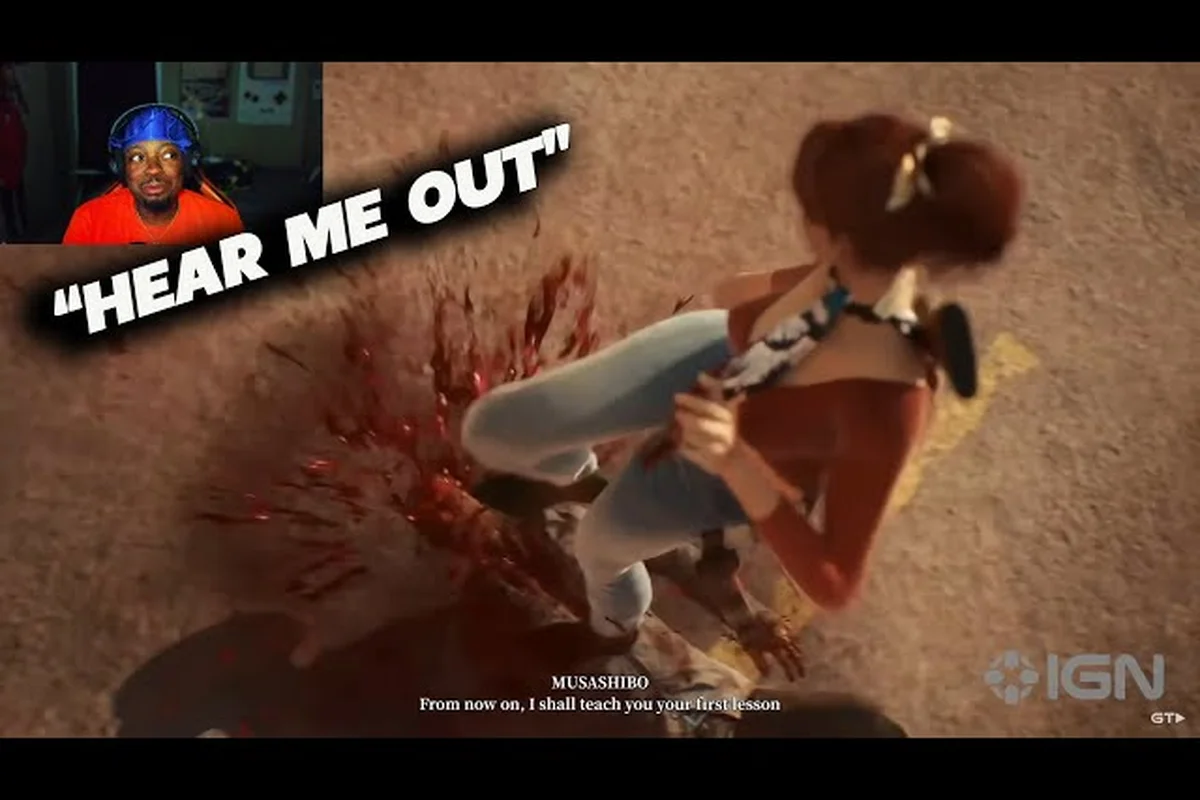
Showa American Story Defense Build: Tank Choko Setup
Build a tanky Choko with our Showa American Story defense guide: stat priorities, buff slots, accessories, and resistances earned through RV daily activities.
All Articles

Showa American Story Firearms Guide: Shotguns and Rifles
Our Showa American Story firearms guide covers shotguns, assault rifles, Bullet Time swaps, and ammo economics when guns beat melee in tight spots.

Showa American Story Ranged vs Melee: When Guns Win
Ranged vs melee in Showa American Story resolved: damage per second, Rage generation gaps, stamina costs, and the fights where firearms outclass blades.

Showa American Story Rare Weapon Locations: Legendary Blades
Find rare weapons in Showa American Story with exact locations: the katana Mikazuki Munechika, Wolf Fang Vajra Claws, and where legendary blades hide.

Showa American Story Weapon Types: Katana, Drill, Flag
All Showa American Story weapon types compared: Bare Hands speed, Katana stances, Drill burst damage, and Polearm Super Armor sweeps with real demo data.