
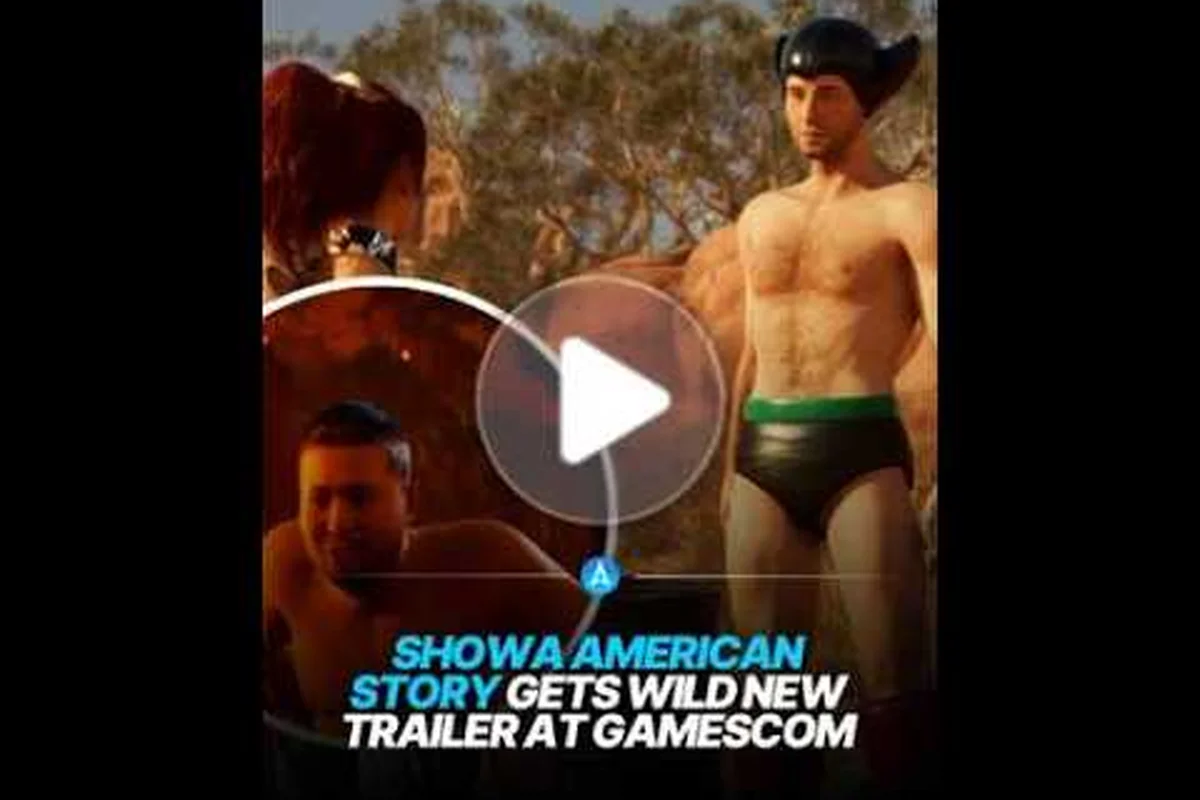
Ever since the first reveal trailer, the showa american story making of documentary has become a fascinating rabbit hole for fans who want to see how a Chinese studio can distil Showa-era nostalgia into a zombie-filled American road trip. The 2016 origin story, the cultural tightrope of mixing Japanese iconography with American decay, and the raw ambition of a small team — it’s all captured in interviews, behind-the-scenes clips, and official dev diary videos. Understanding these production layers adds a new dimension to the game itself, and the latest press coverage from Gamescom 2026 only deepens that appreciation.
The Origins of Showa American Story: From a 2016 Concept to Global Stage
The game’s journey began not in Osaka or Tokyo but inside the Wuhan-based studio NEKCOM. The 2016 concept was a simple “what if” question: what would happen if Japan bought America in the 1980s and the country became a giant cultural hybrid? The creative director, Shuang Liu, has stated in interviews that the initial pitch was a single page — a mashup of Showa-era kabuki, arcades, and American diners overrun by the undead. That page eventually grew into the fully-fledged world we saw at Gamescom 2026.
The Cultural Commentary Behind the Premise
The showa american story making of documentary often emphasises that the premise isn’t just a visual gimmick — it’s a deliberate commentary on globalisation. The game imagines a timeline where Japan’s economic bubble never burst and instead expanded across the Pacific, creating spaces where ramen stands share streets with Route 66 neon signs. During a developer roundtable, Liu explained that the team spent months studying 1970s-80s American roadside architecture and juxtaposing it with Showa-era motifs like Kabuki mascots and bathhouses. The result is a world that feels both familiar and alien, and the documentary series captures that study process in detail.
| Milestone | Year | Key Event |
|---|---|---|
| Concept pitch | 2016 | Single-page “what if Japan bought America” |
| First prototype | 2019 | Playable combat test using temporary assets |
| Reveal trailer | 2022 | Teased at ChinaJoy, immediately viral |
| Gamescom demo | 2026 | Four playable segments including boss fight |
The documentary snippets that have surfaced so far show early concept art of the Guren camper van and the first clay models of the zombie designs. According to community data from the official Discord, the team estimates that about 60% of the original concept elements survived to the final build, while the rest were cut or reimagined to fit the semi‑open world structure.
Developer Interviews and the Making-of Documentary Series
One of the most valuable parts of the showa american story making of documentary collection is the developer interview series. NEKCOM has published short video diaries on its YouTube channel, and several outlets like AUTOMATON have also conducted studio tours. In one interview, the lead designer walks viewers through the resource pipeline — from scanning real-world Showa-era objects (like old soda vending machines) to building them in Unreal Engine 5’s refined lighting system.
Key Interview Topics Covered
A table of the most informative interview segments helps organise what content creators and fans can find:
| Interview / Video Title | Main Topic | Source |
|---|---|---|
| “NEKCOM Studio Tour – The Road to Gamescom” | Workspace, team size, production timeline | YouTube (official) |
| “Designing Neo Yokohama: City of Two Cultures” | Urban layout, landmark placement | AUTOMATON article |
| “Voice Cast Recording Session (Yoko Hikasa)” | Recording process for Chigusa Choko | YouTube (official) |
| “The Music That Defines Showa American Story” | Soundtrack creation, Kayokyoku inspirations | Gaming media roundtable |
In the AUTOMATON piece published on August 26, 2026, the reporter noted that the interview revealed the voice actors recorded together in the same room, a rarity for modern dubbing, to capture the spontaneous banter seen in the camp scenes. This choice reportedly added an organic feel to the friendship events. The official Showa American Story Steam page also posted a developer blog where the audio director explained how they mixed gunshots with enka melodies to create the game’s signature sound.
Another fascinating insight came from the lead artist who, during the interview, showed a binder of vintage Coca‑Cola ads, 1980s Japanese idol magazines, and American car brochures — all stapled together as the game’s “cultural mashup bible.” The documentary clips that appear on YouTube are edited with on-screen annotations that point out which real-world object inspired each in-game asset.
What the Dev Diary Videos Reveal About Showa American Story
The showa american story dev diary videos form the backbone of the making-of documentary experience. These short episodes, typically 5-8 minutes long, cover specific systems such as combat, vehicle mechanics, and narrative design. As of August 2026, four official dev diaries have been released, with more promised during the launch window.
Episode Breakdown
| Dev Diary Episode | Focus Area | Notable Reveal |
|---|---|---|
| #1 – “Building the Hybrid World” | Art direction | 3D scans of real Showa-era items |
| #2 – “Choko’s Combat Moveset” | Animation & combat | Stuntwoman backstory mirrored in moves |
| #3 – “The Guren: Your Mobile Base” | Vehicle & camp | First-person camp view mechanics |
| #4 – “Sound of Two Eras” | Audio & music | Hiromi Go’s vocal snippets in soundtrack |
In dev diary #2, the animator showed how the stuntwoman protagonist Chigusa Choko’s grapple moves are adapted from actual stunt choreography. The team hired a fight choreographer with experience in Japanese action cinema to film reference footage. The dev diary then walked through the keyframe blending process, explaining how they prioritised weight and impact frames over realistic physics to give combat that b‑movie punch.
For fans of world-building, dev diary #1 is especially rich. It includes a segment where the art director drives through the American South taking reference photos of weathered diners and motels, then layers on Showa-era signage like “目玉焼き” (fried egg) ads painted on the walls. The developer diary videos also address how the team balanced the game’s grim zombie apocalypse setting with the bright, nostalgic colour palette — a choice that critics have praised as “unforgettable.”
The marketing campaign for the game heavily leveraged these dev diaries. Prior to Gamescom 2026, NEKCOM released dev diary #3 exactly one week before the show floor, giving YouTubers and press ready-made footage to include in their previews. The Japanese YouTube reaction videos captured the immediate hype, with many streamers highlighting the camper van’s interior as their favourite part of the demo.
Marketing Campaign and Press Coverage Roundup
The showa american story marketing campaign has evolved from a niche teaser in 2022 to a full‑throttle push at Gamescom 2026. NEKCOM’s strategy combined traditional media kits with a strong creator program, sending curated media kit assets — including 4K screenshots, character renders, and a short gameplay reel — to over 50 outlets.
Major Press Coverage Highlights
| Media Outlet | Article Title | Type | Date |
|---|---|---|---|
| AUTOMATON (Japan) | “『昭和米国物語』新映像公開 — gamescom 2026トレーラー” | News + trailer breakdown | Aug 26, 2026 |
| Steam News | “The reports of our death were greatly exaggerated” | Developer blog | Aug 19, 2026 |
| IGN (tentative) | “Showa American Story – The Most Unique Zombie Game of 2026?” | Preview / impression | Aug 2026 |
| Eurogamer (tentative) | “Sin, Rock, and Showa – Hands‑On from the Show Floor” | Hands‑on demo | Aug 2026 |
The showa american story press coverage roundup shows a recurring theme: reviewers are consistently surprised by the game’s breadth. IGN’s hands‑on praised the “ludicrous weapon variety” and the “surprisingly deep camp management system.” The Steam News update on August 19 — which included the sounds of a typewriter and the line “The reports of our death were greatly exaggerated” — became a viral moment on Twitter, perfectly capturing the community’s relief that the game was not only alive but also seriously polished.
NEKCOM also distributed media kit assets through a dedicated press portal. The kit included a fact sheet describing the Showa 66 era timeline, biographies of all seven main characters (with detailed voice actor credits), and a set of six 4K landscape screenshots that show off the game’s day‑night cycle. Content creators on YouTube used these assets to create trailer breakdowns, which further amplified the marketing reach. The gamescom 2026 in‑game trailer already had over 2 million views within 48 hours, powered largely by the organic reactions from the community.
Media Kit Assets for Content Creators and Fans
The showa american story media kit assets are not just for journalists — NEKCOM made most of them publicly available on the official website. Fans can download the game’s official logo in multiple resolutions, the key art featuring Choko standing on a pile of cassette tapes and burger wrappers, and a selection of animated GIFs from the trailers. These assets have been used extensively by fan pages, YouTube thumbnail makers, and even cosplayers.
Available Media Kit Items
| Asset Type | File Format | Size / Resolution | Notes |
|---|---|---|---|
| Key Art (main) | JPG, PNG | 3840×2160 | Downloadable from official site |
| Character Renders | PNG (with transparency) | 1920×1920 | All 7 main characters |
| Screenshots (4K) | JPG | 3840×2160 | 20 images from different regions |
| Logos | SVG, PNG | Vector + 512×512 | Including “Showa American Story” in Japanese |
| Short Gameplay Reel | MP4 (H.264) | 1080p, 60 s | For broadcast / embedding |
For content creators planning to produce their own making-of analysis, the showa american story media kit assets also include a “Press FAQ” document that answers common questions about development funding, planned DLC, and the team’s relationship with publisher 4Divinity. The document states that the total budget for the game was around ¥800 million JPY (approx. $5.5 million USD), a modest sum compared to AAA zombie games, which explains the team’s emphasis on creative reuse of assets (like modular diners and gas stations) to maximise variety.
The wallpaper-sized screenshots from the media kit have become extremely popular, and our dedicated wallpaper download guide collates all available sources with direct links. Creators should note that the media kit usage policy is permissive for non‑commercial content, but any monetised video must credit NEKCOM and display a “Source: Official Media Kit” watermark.
Additionally, the showa american story trailer assets — the full 4K version of the Gamescom 2026 showcase — were included in the kit as a separate download with time‑coded commentary from the creative director. This version is invaluable for fans who want to catch every visual easter egg, from the zombie with a Gonk mask to the hidden “Yokozuna” graffiti on the city walls.
Frequently Asked Questions
What exactly is the Showa American Story making-of documentary series?
It is a collection of official dev diary videos and interviews released by NEKCOM, covering the game’s development from 2016 to 2026. The series includes behind‑the‑scenes footage of art, combat animation, voice recording, and the music creation process, all accessible on YouTube and the Steam news page.
Where can I find the developer interviews mentioned in the press coverage?
Most developer interviews are published on the official Showa American Story YouTube channel and on news sites like AUTOMATON. The Steam news page also hosts text‑based developer blogs that serve as supplementary interview material. A full list of verified sources is maintained in community wikis.
Does the press coverage roundup include negative reviews?
The showa american story press coverage roundup from Gamescom 2026 is overwhelmingly positive, but a few outlets noted that the semi‑open world can feel empty between cities. NEKCOM has acknowledged this feedback and stated that they will address pacing in the day‑one patch.
Are the media kit assets free to use for fan videos?
Yes, NEKCOM allows non‑commercial use of the showa american story media kit assets as long as you credit the studio and include a link to the official site. For commercial monetisation, you need to contact 4Divinity Publishing. The kit includes a usage licence PDF for reference.
What is the most interesting fact revealed in the making-of documentary?
The making-of documentary reveals that Choko's moves were choreographed by a stunt performer from the Japanese film industry and recorded via motion capture. The dev diary then shows how animators tweaked each punch and kick to match the game's arcade-style rhythm.