
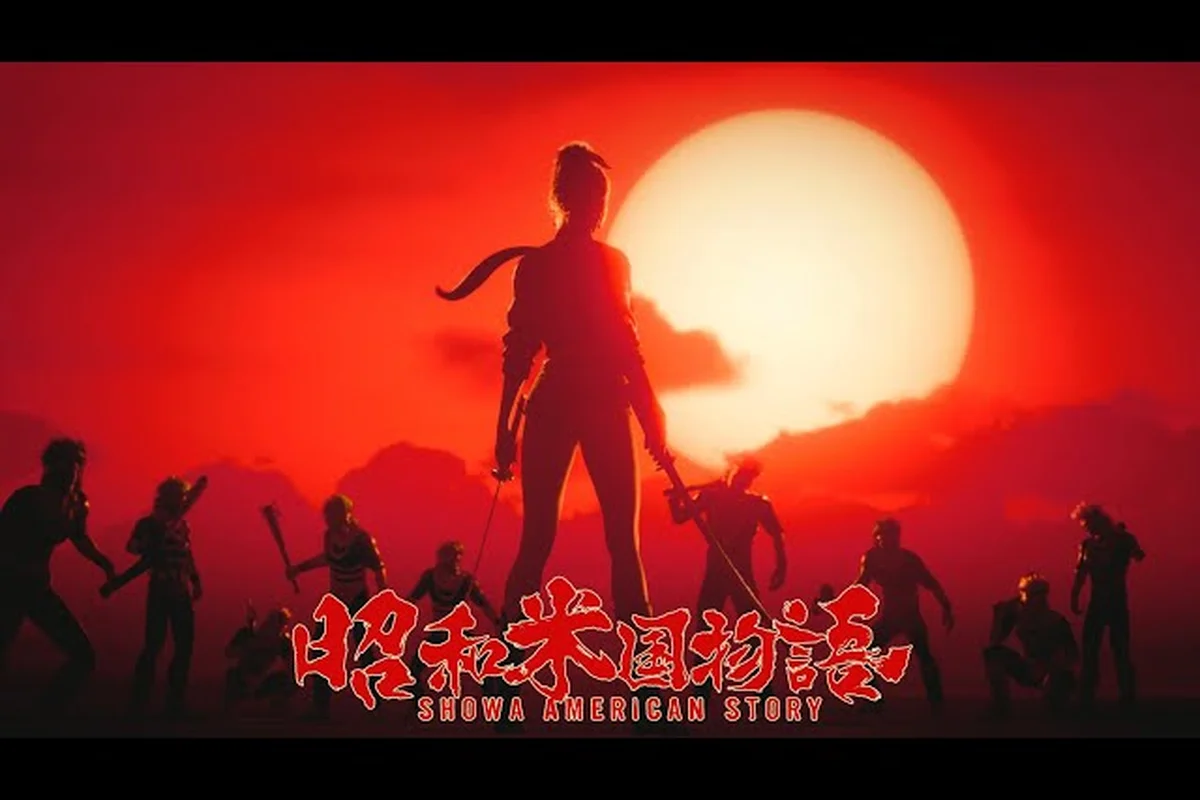
The Showa American Story trailer music has quickly become one of the most discussed elements of NEKCOM's genre-bending action RPG, and for good reason. The gamescom Opening Night Live 2026 trailer didn't just showcase new gameplay footage — it revealed a carefully curated soundtrack that leans heavily into kayokyoku, enka, and kayo songs to build an authentic Showa-era atmosphere. This matters because the music functions as more than background noise; it's a narrative device that transports players into a bizarre alternate 1980s where Japanese pop culture has colonized America. The trailer's use of Sorega Daiji as the signature theme, paired with Hiromi Go's Casablanca cover and the ending song by Mayu Wakisaka, demonstrates how deeply the developers understand the emotional weight of Showa-era music. If you've been wondering why the trailer feels so distinctively nostalgic, the answer lies in the soundtrack's deliberate genre choices.
Showa American Story Trailer Music: The Kayokyoku Foundation
The Showa American Story trailer music builds its foundation on kayokyoku, a genre that dominated Japanese pop charts from the 1960s through the 1980s. Unlike modern J-pop, kayokyoku blends Western pop structures with distinctly Japanese melodic sensibilities, creating songs that feel both familiar and culturally specific. NEKCOM's decision to anchor the trailer in this genre isn't accidental — it's a deliberate world-building choice that reinforces the game's core premise of a Showa-era Japan that never lost its cultural dominance. According to the official Steam news post, the brand-new trailer debuted at Opening Night Live, and the music selection immediately sparked discussion among fans who recognized the kayokyoku influences woven throughout the footage.
The Role of Music in the gamescom 2026 Trailer
The gamescom 2026 trailer uses music to establish tone before a single line of dialogue is spoken. The opening bars of the trailer's featured track set a melancholic yet energetic mood that mirrors the game's blend of post-apocalyptic action and nostalgic warmth. AUTOMATON's coverage of the new footage reveal noted that daily life scenes — praying, fixing a bicycle — were intercut with combat sequences, and the music shifts accordingly to bridge these tonal extremes. This dynamic scoring approach means the Showa American Story trailer music isn't just a static backdrop; it actively guides the viewer's emotional response from scene to scene, which is why fans have been dissecting every note since the reveal.
| Trailer Music Element | Emotional Function | Genre Influence |
|---|---|---|
| Opening theme swell | Establishes nostalgia | Kayokyoku ballad structure |
| Combat sequence scoring | Builds tension | Enka-influenced percussion |
| Daily life interlude | Creates warmth | Kayo pop melody |
| Ending song transition | Signals resolution | Contemporary J-pop ballad |
The table above breaks down how different trailer segments use distinct musical approaches to achieve specific emotional effects. This layered approach to the Showa American Story trailer music demonstrates that the soundtrack was composed with the same care as the visual design. The gamescom Opening Night Live 2026 presentation marked the first new footage since November 2024, which means the music had to carry significant narrative weight after such a long silence. Community reactions suggest that the kayokyoku foundation resonated deeply with both Japanese players who grew up with these songs and international audiences discovering the genre for the first time.
Sorega Daiji: The Signature Showa American Story Theme Song
Sorega Daiji stands as the most recognizable piece of Showa American Story trailer music, and its selection as the theme song carries significant cultural weight. Originally released in 1991 by Daijiman Brothers Band, Sorega Daiji (それが大事) became an anthem of resilience with its message about cherishing what truly matters in life. The showa american story sorega daiji song placement in the trailer suggests that NEKCOM wants players to connect the game's themes of survival and cultural identity with the song's uplifting message. For a deeper dive into the lyrical meaning and how it connects to the game's story, the Sorega Daiji theme song meaning guide breaks down the thematic parallels in detail.
Hiromi Go's Casablanca Cover and Its Significance
The inclusion of Hiromi Go's Casablanca cover adds another layer of Showa-era authenticity to the soundtrack. Hiromi Go, one of Japan's most enduring male pop icons, represents the glamorous side of kayokyoku that defined the late Showa period. The Casablanca cover in the trailer functions as a bridge between the game's romanticized vision of 1980s Japan and its post-apocalyptic American setting. Community discussions have noted that the song's melancholic undertones pair surprisingly well with the game's wasteland imagery, creating a bittersweet contrast that has become a signature of the Showa American Story aesthetic.
| Theme Song Attribute | Detail | Cultural Significance |
|---|---|---|
| Original release year | 1991 | Late Showa / early Heisei transition |
| Original artist | Daijiman Brothers Band | One-hit wonder turned cultural touchstone |
| Core message | Resilience and gratitude | Mirrors survival themes in the game |
| Trailer placement | Opening sequence | Sets emotional foundation immediately |
The choice to feature both Sorega Daiji and a Hiromi Go cover in the same trailer reveals a deliberate strategy: the developers are curating a soundtrack that spans the full emotional range of kayokyoku, from inspirational anthems to romantic ballads. This range matters because it mirrors the game's tonal shifts between absurdist humor and genuine emotional stakes, which is a difficult balance to strike in any medium.
Showa American Story Soundtrack List and OST Playlist Breakdown
Building a complete Showa American Story soundtrack list requires piecing together information from multiple trailer reveals and official announcements. While NEKCOM hasn't published a full track listing yet, the confirmed songs from the gamescom 2026 trailer and earlier promotional materials give players a solid foundation for understanding the musical direction. The Showa American Story OST playlist that fans have been assembling on streaming platforms reflects the growing excitement around the game's audio identity, with community-curated collections already circulating across social media.
Building Your Own Showa American Story OST Playlist
Creating a personal Showa American Story OST playlist starts with the confirmed trailer tracks, then expands outward into the broader kayokyoku and enka catalogs that inspired the game's sound. The table below outlines the known tracks and their roles in the game's promotional materials, based on information gathered from official announcements and community data.
| Track | Artist | Role in Game | Genre |
|---|---|---|---|
| Sorega Daiji | Daijiman Brothers Band | Main theme song | Kayokyoku |
| Casablanca (cover) | Hiromi Go | Trailer feature | Kayokyoku ballad |
| Ending song (untitled) | Mayu Wakisaka | Ending theme | Contemporary ballad |
| Trailer BGM (unreleased) | TBA | gamescom 2026 trailer | Enka-influenced |
The Showa American Story soundtrack list will likely expand significantly as the game approaches its release window. Based on community data and the patterns established by the trailer reveals, players can expect additional kayo songs from the 1970s and 1980s to appear in the final game. The Showa American Story gameplay video roundup includes timestamps where different musical cues can be heard during the demo segments, which is useful for identifying unreleased tracks that haven't been officially announced yet.
Kayokyoku, Enka, and Kayo Songs: The Musical DNA
Understanding the Showa American Story music style kayokyoku requires distinguishing between three related but distinct genres: kayokyoku, enka, and kayo songs. These categories overlap significantly, which is why the game's soundtrack feels cohesive despite drawing from multiple sources. Kayokyoku (歌謡曲) literally means "popular song" and encompasses the mainstream Japanese pop music that flourished from the 1950s through the 1980s. Enka (演歌) represents a more traditional, emotionally charged style that often features dramatic vocal techniques and themes of loss and longing. Kayo songs serve as an umbrella term that includes both kayokyoku and enka under the broader banner of Showa-era popular music.
Kayokyoku vs. Enka: Understanding the Difference
The distinction between kayokyoku and enka matters because the Showa American Story trailer music deliberately blends both styles to create its unique atmosphere. The table below breaks down the key differences that define each genre's sonic identity.
| Characteristic | Kayokyoku | Enka |
|---|---|---|
| Vocal style | Smooth, pop-oriented | Dramatic, melismatic |
| Instrumentation | Western pop + Japanese melody | Traditional Japanese instruments |
| Emotional range | Joyful to bittersweet | Melancholy to tragic |
| Era peak | 1960s-1980s | 1950s-present |
| Cultural association | Urban modernity | Rural nostalgia |
The Showa American Story enka and kayo songs selection demonstrates that the developers understand these nuances at a granular level. By pairing the upbeat resilience of Sorega Daiji with the more melancholic Casablanca cover, the soundtrack captures the full emotional spectrum that defined Showa-era Japanese music. This genre literacy is what elevates the trailer music beyond simple nostalgia bait into a genuine artistic statement about cultural memory and the persistence of identity across decades.
How the Trailer Music Shapes the Game's Identity
The Showa American Story trailer music does more than set a mood — it actively constructs the game's identity as a cultural artifact. By grounding the soundtrack in authentic kayokyoku and enka rather than generic synthwave or orchestral scoring, NEKCOM signals that Showa American Story is fundamentally about the collision of Japanese and American cultural identities. The voice actor reveal at gamescom 2026 further reinforced this commitment to authenticity, with a cast that includes Yoko Hikasa, Hideo Ishikawa, and Midorikawa Hikaru bringing the characters to life with performances that match the music's emotional register.
Why the Ending Song by Mayu Wakisaka Matters
The decision to feature an ending song by Mayu Wakisaka represents a bridge between the Showa-era nostalgia of the trailer music and contemporary Japanese pop sensibilities. Wakisaka, known for her emotionally direct songwriting, brings a modern sensibility to the soundtrack that prevents it from feeling like a pure period piece. This choice suggests that the game's musical identity will evolve as the story progresses, moving from the kayokyoku foundations of the opening toward a more contemporary emotional register by the ending. The Showa American Story theme song artist selection across the board — from Daijiman Brothers Band to Hiromi Go to Mayu Wakisaka — tells a story of Japanese popular music's evolution, which mirrors the game's own narrative arc.
| Character | Voice Actor | Musical Connection |
|---|---|---|
| Chigusa Choko | Yoko Hikasa | Known for anime theme song performances |
| Michael Hero | Hideo Ishikawa | Veteran voice actor with broad range |
| Baba | Naoki Bando | Showa-era voice talent pedigree |
| Mutsuki Akitora | Midorikawa Hikaru | Iconic anime voice presence |
The voice cast's connection to Japanese pop culture history reinforces the soundtrack's role as a cultural anchor. When players hear Sorega Daiji swell during a key story moment, the emotional impact is amplified by the knowledge that the developers chose every musical element with the same care they applied to casting and visual design. Which Showa-era song do you hope makes it into the final soundtrack? Share your picks in the comments below.
Frequently Asked Questions
What is the main theme song in Showa American Story?
The main theme song is Sorega Daiji by Daijiman Brothers Band, a 1991 kayokyoku anthem about resilience and cherishing what matters. The song's uplifting message aligns with the game's themes of survival and cultural identity in a post-apocalyptic America, making it a natural fit for the trailer's emotional arc.
Who sings the ending song in Showa American Story?
The ending song is performed by Mayu Wakisaka, a contemporary Japanese singer-songwriter known for emotionally direct ballads. Her involvement bridges the Showa-era nostalgia of the trailer music with modern J-pop sensibilities, suggesting the game's musical identity will evolve as the story progresses toward its conclusion.
What music genre dominates the Showa American Story soundtrack?
The soundtrack is anchored in kayokyoku, the mainstream Japanese pop genre that flourished from the 1960s through the 1980s. The game also incorporates enka and kayo songs to create a full Showa-era musical atmosphere that feels both nostalgic and culturally specific.
Is there an official Showa American Story OST playlist available?
No official OST playlist has been released yet, but fans have assembled community playlists featuring the confirmed trailer tracks alongside broader kayokyoku and enka catalogs. The full soundtrack list will likely be announced closer to the game's release window, based on the pattern established by previous NEKCOM announcements.
Why does the trailer use Hiromi Go's Casablanca cover?
The Casablanca cover by Hiromi Go adds a layer of romantic melancholy that contrasts with the game's post-apocalyptic setting. This bittersweet juxtaposition has become a signature element of the Showa American Story aesthetic, demonstrating how the developers use music to create emotional depth beyond simple nostalgia.