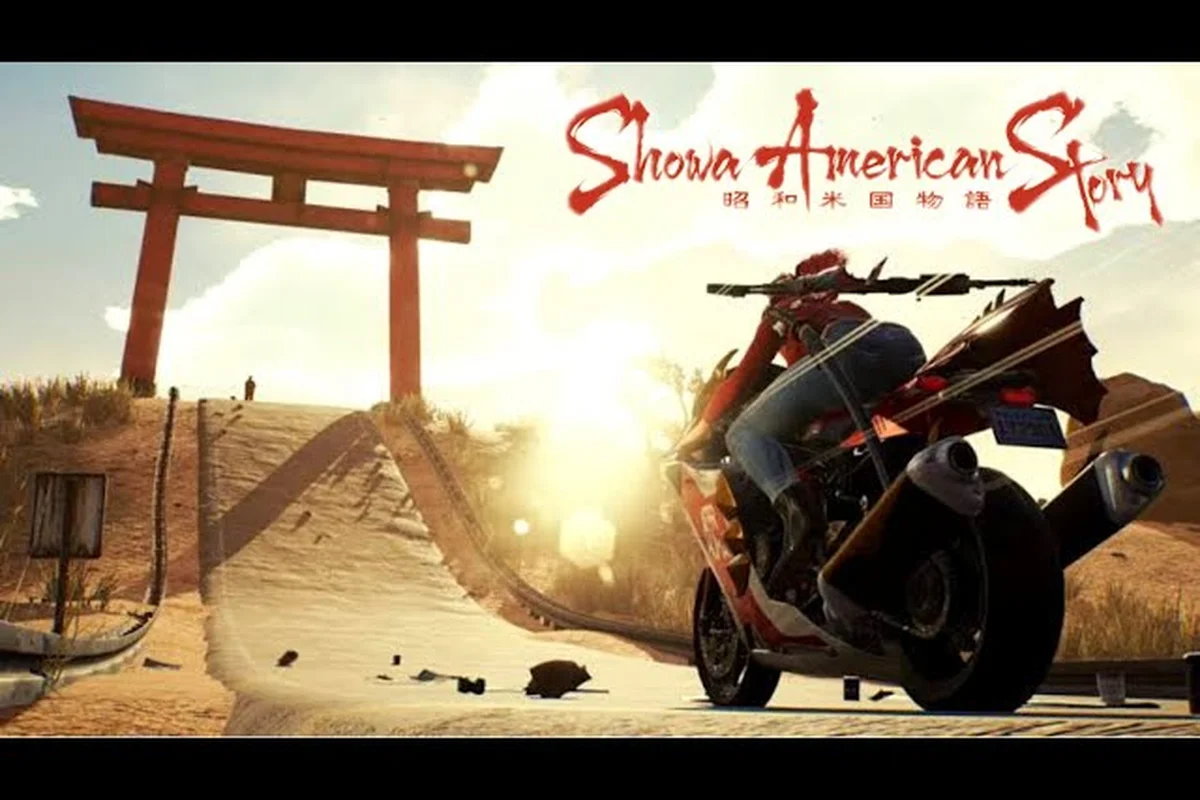
Showa American Story's open world structure blends city sandboxes with highway travel, creating a road trip across a fractured America. Understanding this semi-open design helps you plan your journey, manage resources, and discover every hidden secret along the way. For players seeking a detailed showa american story open world explained breakdown, the critical insight is that you are not exploring one seamless map — you are traveling between several handcrafted city zones connected by drivable roads, each with its own quests, NPCs, and dangers.
How the Semi-Open World Works: City Sandboxes Connected by Road
Unlike massive single-map open worlds that let you walk in any direction from the start, Showa American Story uses a semi-open world architecture. According to the official Showa American Story website, the game is structured as multiple cities each functioning as its own sandbox. The world is divided into distinct regions — from the neon-lit streets of Neo Yokohama to the arid stretches of Texas — and you travel between them using your Guren camper and motorcycle. The open road is not a single contiguous terrain but a series of handcrafted zones gated by story progression.
This design choice directly supports the game's narrative: Chigusa Choko, resurrected stuntwoman, embarks on a revenge road trip across a Japan-colonized America. Each city sandbox represents a chapter in that journey, and the road between them functions as both a transition and a gameplay space where random events, horde encounters, and scavenging opportunities occur. The semi-open structure means the main story remains linear — you cannot skip ahead to Texas before finishing Neo Yokohama — but within each city zone, exploration is fully open and rewards thorough searching.
Key characteristics of the semi-open world include six fully explorable city sandboxes—such as New Edo, Little Tokyo, and San Francisco Village—each packed with side quests and vendor districts, linked by highway corridors that double as triggered event zones (e.g., yakuza roadblocks or police checkpoints). Unlike a seamless map, travel between cities is gated by completing story milestones and unlocking RV fast travel points, which also function as mobile bases for inventory management. This hub-and-spoke structure lets players freely roam each city’s streets yet maintains narrative pacing via road segments that enforce a natural progression order.
-
Story-gated region access — new areas unlock only after completing specific main quest milestones
-
Full freedom within each city — once you arrive, you can roam every street, building interior, and alley
-
Drivable roads between hubs — the highway is a navigable space with its own loot, hazards, and events
-
The Guren camper as your mobile base — it travels with you and serves as a hub for crafting, resting, and fast travel
-
Side content tied to region progression — side quests and minigames unlock as the story advances in each city
For a deeper look at how quests align with this structure, the Showa American Story quest guide provides a detailed walkthrough of main and side objectives by region. It maps each mission to its corresponding city sandbox or highway segment, highlighting which quests are locked within a single urban hub (like the early town or a later metropolis) and which require you to traverse the open road via RV or fast travel—making the guide indispensable for planning your route, avoiding backtracking, and efficiently chaining region-based objectives across the semi-open world.
The Full Map of Regions and Cities in Showa American Story
| Region | Major City Hub | Key Landmarks | Biome/Atmosphere |
|---|---|---|---|
| Neo Yokohama Territory | Neo Yokohama | Diner district, arcade row, Hollywood film lot | Urban neon, Japanese colonial architecture, rainy streets |
| Desert Stretch | Unnamed desert settlement | Gas station clusters, RV graveyards, abandoned motels | Arid wasteland, sandstorms, sparse vegetation |
| Texas Territory | Governor's Seat (Boss Gokou's domain) | Ranch compounds, oil fields, samurai fort | Mixed cowboy-Japanese aesthetic, open plains |
| Midwest Corridor | Small survivor towns | Grain silos, highway overpasses, refugee camps | Rural decay, overgrown fields, scattered hordes |
This showa american story cities list is not exhaustive — community dataminers and the Wikipedia entry for the game suggest additional regions may appear in post-launch content. Each city hub functions as a safe zone where you can rest, trade, accept quests, and upgrade gear before venturing into the dangerous wasteland between settlements.
Known Regions Across the Map
The Neo Yokohama Territory serves as the starting region and is the most densely detailed area in the game. Its city hub features multiple districts: the commercial diner strip, the arcade quarter filled with playable retro cabinets, the Hollywood-style film studio where Choko's stuntwoman past comes into play, and the residential ruins where survivors barricade themselves. Players who want a thorough tour of this starting area should consult the Neo Yokohama city tour guide for a complete breakdown of every district and hidden path.
The Desert Stretch lies beyond Neo Yokohama and represents a shift in tone — open highways, scarce resources, and relentless zombie hordes. Gas stations become critical refueling and resupply points. The Texas Territory is the endgame region where Boss Gokou, the Governor of Texas, rules with both a cowboy's grit and a samurai's discipline. According to community preview coverage, his domain mixes ranch architecture with Japanese fortifications, reflecting the game's core cultural collision theme.
Major Cities and Their Roles
Each major city in the showa american story locations list serves a distinct gameplay function. Neo Yokohama is the tutorial and early-game hub, teaching you combat, scavenging, and the camper system. The desert settlement acts as a mid-game crossroads where you can stock up on fuel and ammunition before pushing deeper into hostile territory. Boss Gokou's Texas domain is the final gauntlet, packed with elite enemies, a full boss fight, and the narrative climax of Choko's revenge journey.
Fast Travel and the Guren Camper: Travel System Explained
The showa american story rv travel explained system is one of the game's most distinctive mechanics. Your primary vehicle, the Guren camper van, is more than transportation — it is your mobile base of operations. When you enter the camper, the game switches to a first-person camp view where you can craft items, manage inventory, cook food for buffs, and save your progress. Driving the Guren on the highway between regions triggers road-travel gameplay: random encounters, zombie horde blockades, and salvage opportunities appear along the route.
The second vehicle is a motorcycle that you can use for faster local travel within a city sandbox. The motorcycle is more agile but offers no storage or camp facilities, making it ideal for quick scavenging runs but not for long-distance region transitions. Both vehicles are fully drivable — according to the Steam page, "the camper and motorcycle are drivable," confirming that you control them directly rather than relying on automatic travel.
| Travel Method | Speed | Storage | Camp Functions | Fast Travel Compatible |
|---|---|---|---|---|
| Guren Camper | Moderate | Full inventory + item storage | Crafting, cooking, resting, saving | Yes — unlocks fast travel points |
| Motorcycle | Fast | None (character inventory only) | None | No — manual travel only |
| Fast Travel (unlocked) | Instant | N/A | N/A | Yes — between discovered hubs |
How Fast Travel Unlocks Between Regions
The showa american story fast travel guide confirms that fast travel is not available from the start. You must first drive the Guren to a new region manually, then unlock its fast travel point — typically at the city hub's main landmark or a designated parking spot. Once unlocked, you can instantly warp between any previously discovered hubs. This system encourages you to experience the road at least once per region before skipping it on subsequent trips. The fast travel is a convenience layer, not a replacement for exploration; many side quests and collectibles are only discoverable during manual travel segments.
Upgrading the Guren for Better Travel
As you progress, you can upgrade the Guren camper with parts scavenged from gas stations, auto shops, and enemy camps. Upgrades include improved fuel efficiency (reducing how often you need to refuel at gas stations), reinforced armor (making road-block horde encounters easier to survive), and expanded storage racks (letting you carry more items). Fuel management is a real consideration — running out of gas in the middle of the Desert Stretch leaves you stranded and vulnerable. The upgrade system rewards thorough looting during each road trip.
What to Explore Inside Each City Hub
While the road between regions offers its own rewards, the bulk of Showa American Story's content lives inside its city sandboxes. Each hub is dense with NPCs, side quests, minigames, and lootable interiors. Unlike the highway zones that focus on survival and transit, city hubs are designed for extended play sessions where you can tackle multiple objectives in a single visit.
The Showa American Story NPC locations guide details where to find every merchant, quest giver, and recruitable ally in each city. Understanding NPC routines is essential because some vendors only appear at certain times of day, and personal quests for allies may expire if you skip them before leaving the region.
| Activity Type | Examples | Rewards |
|---|---|---|
| Diner Quests | Fetch ingredients, clear nearby hordes, rescue stranded survivors | Cooked food buffs, USD currency, reputation |
| Arcade Minigames | Retro-style beat-em-ups, shooting galleries, racing games | Tokens exchangeable for rare outfits and weapon skins |
| Side Story Chains | Help a survivor rebuild their shop, investigate a missing NPC line | Unique weapons, permanent stat boosts, lore entries |
| Bounty Hunts | Defeat named elite enemies within a time limit | Rare crafting materials, upgrade parts |
| Exploration Rewards | Hidden rooms, rooftop loot caches, locked basements | Collectible figures, cassette tapes, costume pieces |
Core Hub Activities in Each City
Diners are the social and mechanical heart of each city hub. Here you can accept food-related quests from the owner, cook ingredients to create temporary buffs (increased damage, stamina regen, or resistance), and overhear rumors that point toward hidden secrets. The diner food system is directly tied to exploration — specific ingredients are only found in certain regions, encouraging you to visit every hub.
Arcades serve as both entertainment and a reward loop. Playing arcade cabinets earns you tokens that can be exchanged for exclusive cosmetic items and sometimes combat-useful gear. The arcade cabinets themselves are recreations of 80s-style games, and finding all of them in each city contributes to the completion percentage.
NPCs and Merchants You Should Visit
Every city hub has a mix of permanent merchants and rotating traders. Permanent merchants include the armorer (weapons and armor upgrades), the outfitter (costumes and accessories), and the parts dealer (vehicle upgrades). Rotating traders appear based on story progress or random events, offering rare items but at premium prices. Building rapport with NPCs through side quests can unlock discounts and exclusive inventory.
Tips for Navigating the Open World Efficiently
Mastering the semi-open world in Showa American Story demands a fundamental mindset shift from traditional sandbox games. Unlike open-ended exploration, you must strategically manage your RV’s fuel reserves, unlock regions on the world map through main quest progression, and rely on the fast travel system only after establishing specific outposts. For example, preview coverage confirms that accessing the third major area on the Showa American Story locations list requires completing two main story chapters and upgrading your RV to tier two. These constraints force deliberate route planning, which the following actionable strategies—drawn from preview coverage and community reports—directly address.
Prioritize gas station looting on every road trip. Fuel is the resource that keeps your journey going, and gas stations are also prime locations for upgrade parts, healing items, and ammunition. When you spot a gas station on the highway, stop and clear it before continuing — the short detour pays off in supplies that prevent getting stranded later.
Unlock fast travel points immediately upon arriving in a new city. The first thing you should do in any new hub is drive the Guren to the main landmark parking spot and unlock its fast travel point. This saves enormous time when you need to return for side quests or shopping after progressing the story.
Bookmark diner locations for cooking ingredients. Each region's diner offers unique recipes that grant powerful buffs tailored to that area's enemy types. In Neo Yokohama, for example, a specific stir-fry dish increases stamina break damage against human enemies, while a Desert Stretch soup provides heat resistance and poison immunity.
Use the motorcycle for local scavenging, but keep the Guren nearby. Because the motorcycle has no storage, you should park the Guren at a safe spot, then take the motorcycle for quick loot runs into dangerous areas. Return to the camper to deposit items, heal, and save. This two-vehicle workflow maximizes efficiency.
Complete all side content in a region before moving on. Some quests and NPCs are tied to a specific city chapter and become unavailable once you trigger the next story beat. The semi-open design means you cannot "come back later" for everything — the window closes when the main quest advances. The completion guide offers a checklist to ensure you do not miss anything before leaving a region.
Watch for random road events during manual travel. Horde blockades, stranded survivors, ambushes by raiders, and even rare merchant caravans appear on the highway between cities. These events are not marked on the map and are only discoverable by driving manually. They reward rare items, currency, and sometimes permanent upgrades.
Frequently Asked Questions
Is Showa American Story a true open world or a linear game?
It is a semi-open world. The game divides its map into separate city sandboxes, and you travel between them using the Guren camper or fast travel. Each city hub is fully open for exploration, but region access is story-gated — you cannot skip ahead to later areas without completing the main quests.
How does fast travel work in Showa American Story?
Fast travel unlocks after you drive the Guren camper to a new region manually and discover its main hub parking spot. Once unlocked, you can instantly warp between any previously visited hubs. Fast travel is free and has no cooldown, but you must have discovered the destination point at least once.
Can I go back to earlier regions after leaving them?
Yes, but with caveats. You can fast travel back to any unlocked hub, but some side quests and NPC interactions are time-sensitive — they expire once you advance the story past a certain point. Complete all available side content in a region before progressing the main quest.
What happens if the Guren runs out of fuel?
Running out of fuel leaves you stranded on the road. You must either walk to the nearest gas station or defeat enemies to scavenge a fuel canister. Keeping a spare fuel can in your inventory at all times is strongly recommended, especially when crossing the Desert Stretch where gas stations are sparse.
How many regions and cities are in the game?
Based on official information, at least four major regions are confirmed: Neo Yokohama Territory, Desert Stretch, Midwest Corridor, and Texas Territory. Each region contains one major city hub plus surrounding wasteland areas. The semi-open world connects these sandbox cities via drivable roads, and your Guren Camper enables fast travel between them.