
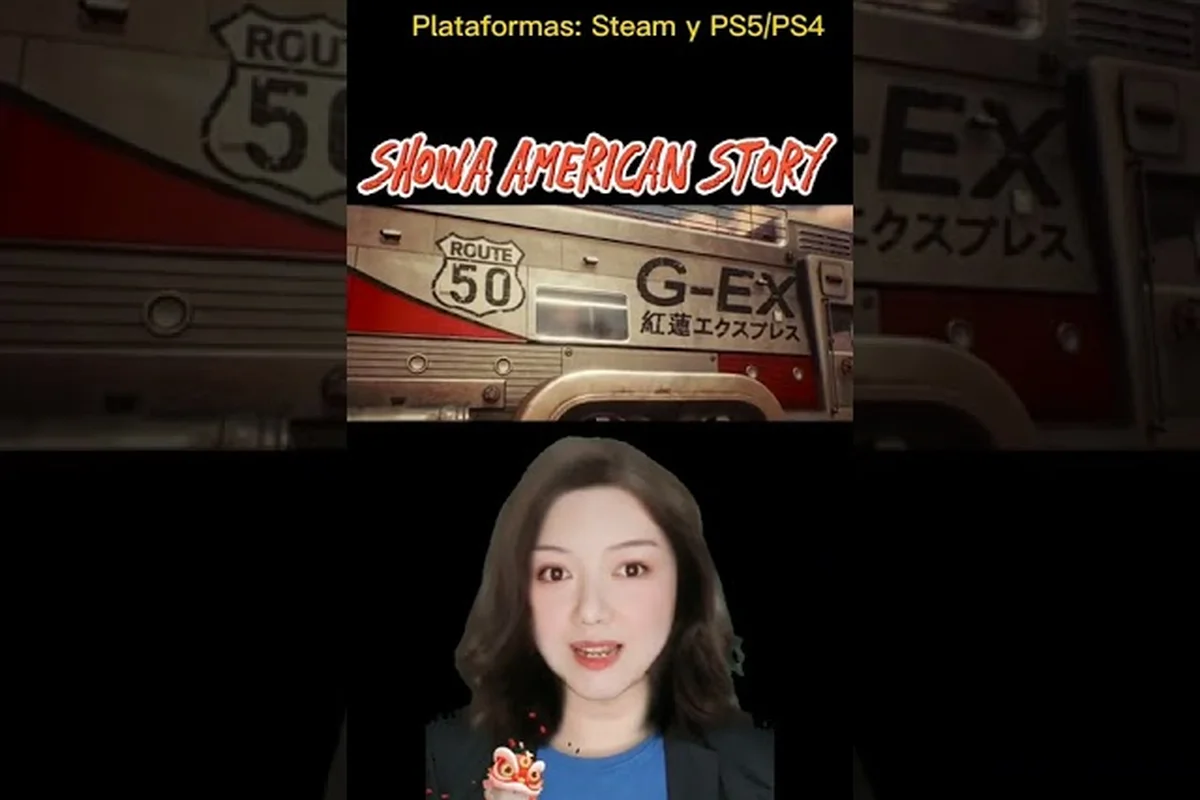
The fractured world of Showa American Story is defined by its warring factions, from desperate survivors to the bizarre Zombie Human Rights Association. Understanding the Showa American Story factions explained is essential to grasp why Choko’s journey through the Japanese-colonized United States is as much about ideology as it is about revenge. The catastrophe that turned America into a wasteland didn’t just create zombies—it shattered society into groups with radically different goals, and knowing who holds power directly affects how you navigate this twisted alternate 1980s.
The Catastrophe That Fractured the Nation
The mysterious catastrophic incident that ended the Showa 66 era is the single most important event in the game’s lore. According to the official NEKCOM website and community reports, a massive disaster—likely a supernatural or experimental outbreak—swept across the American continent, collapsing the Japanese cultural colonization established in the late 1980s. The Showa American Story catastrophe explained reveals that this event didn’t just kill millions; it triggered a chain reaction that gave rise to the zombie outbreak and, more critically, brought Choko back from the dead. The resurrection mystery is directly tied to the disaster’s energy source, a topic still debated among players after the demo.
The Mysterious Outbreak
The zombie outbreak origin remains one of the biggest unanswered questions in the pre-release materials. Unlike traditional zombie lore, the infected in Showa American Story seem to retain fragments of human consciousness, which later becomes the ideological foundation for one faction. Community analysis of the trailers suggests the outbreak began in a research facility linked to the Governor of Texas, who appears as a boss fused with samurai armor. The catastrophe’s exact cause—whether biological, magical, or a combination—is deliberately obscured, but it reshaped the entire map into a patchwork of hazard zones and fortified settlements.
The Resurrection of Chigusa Choko
Choko’s revival from the dead is not a random event; it is the central resurrection mystery that drives the revenge plot. According to the Steam store page, she is “a teenage girl miraculously revived from the grave” who sets out to find her abducted sister Aya. Player speculation points to the catastrophe creating a resonance that allowed her soul to return, possibly linked to the same energy that animates the undead. This makes her a unique entity—neither fully human nor fully zombie, a fact that puts her directly in the crosshairs of every faction in the wasteland.
The Factions That Rule Showa America
Each faction in the game pursues a distinct vision for post-catastrophe America. The Showa American Story factions explained in the next sections show a spectrum from survival pragmatism to radical ideology. Below is a quick overview of the primary groups you’ll encounter.
| Faction | Territory (Confirmed or Speculated) | Primary Goal | Relationship with Choko |
|---|---|---|---|
| Wasteland Survivors | Scattered camps across Texas, California | Rebuild society, secure food and water | Neutral to helpful, but self-interested |
| Zombie Human Rights Association | A fortified city (likely Chicago) | Advocate for zombie personhood, stop extermination | Suspicious of her hybrid nature |
| Raiders | Lawless zones near abandoned cities | Loot, enslave, and dominate other survivors | Hostile on sight |
| Men in Black | Unknown mobile bases | Hunt Choko and any anomaly tied to the catastrophe | Aggressively antagonistic |
Wasteland Survivors
The largest but least organized group, Wasteland Survivors are ordinary people who managed to live through the outbreak. They have no unified leadership, but local communities often band together under a sheriff or elder. Their priority is mundane survival: farming scrap, repairing vehicles, and maintaining watchtowers. In the game’s semi-open world, players will find these survivors offering side quests, trade, and shelter in exchange for help with raider attacks or zombie horde threats. They are the only faction that doesn’t see Choko as a weapon or a threat, though their trust must be earned through deeds.
The Zombie Human Rights Association (ZHRA)
This is arguably the most controversial faction in the game. The Zombie Human Rights Association believes that the infected are not mindless monsters but a new sentient species deserving of legal protection. According to early lore snippets shared by NEKCOM, the ZHRA operates out of a walled city where zombies and humans coexist under a strict code. Their methods include rescuing infected individuals from hunter gangs, establishing safe zones for zombie settlements, and lobbying (often violently) for a ceasefire. Choko’s ambiguous state makes her a symbol to them—either the best proof of their ideology or a dangerous aberration. The faction’s combat units wear distinctive white and blue uniforms and use non-lethal weapons against humans while reserving lethal force for undead predators.
Raiders
Raiders are the wasteland’s violent parasites. They roam in packs on jacked-up motorcycles and armored vans, preying on the weak. Unlike survivor communities, they have no interest in rebuilding—only in taking resources. Their appearance is a deliberate B-movie tribute: leather jackets, spiked helmets, and face paint that mimics kabuki masks, reflecting the Japanese cultural overlay. Raider camps are always tense environments where players can either fight through or attempt stealth to steal supplies. They serve as the most common combat encounter outside of zombie hordes.
The Men in Black
This secretive organization is the primary antagonist driving the revenge plot. Dressed in black suits and sunglasses that evoke both 1980s FBI and classic sci-fi, the Men in Black are not government agents in the traditional sense. They answer to a shadowy council that controls the remnants of the Showa regime. Their mission is to eliminate anything that threatens the fragile order they’re trying to maintain—and Choko is at the top of that list. They are highly trained, well-armed, and often appear in vehicles with futuristic technology, making them the toughest human enemies in the game. The sister abduction storyline is believed to be connected to their experiments, as they took Aya to study her unique bond with Choko.
The Zombie Human Rights Association — A Controversial Ideology
The ZHRA is more than just a faction; it’s a philosophical challenge to the player. When you encounter their members, the game forces you to consider whether killing zombies is morally justified if they show signs of intelligence. The Showa American Story factions explained through the ZHRA’s lens illustrates the depth of the writing: this is an RPG that asks hard questions even while delivering over-the-top combat.
| Aspect | Zombie Human Rights Association | Typical Survivor View |
|---|---|---|
| Core belief | Zombies are sentient beings with rights | Zombies are threats to be eliminated |
| Approach to infected | Rescue and shelter | Hunt and kill on sight |
| Technology level | Advanced (energy weapons, shielded vehicles) | Low (makeshift tools and firearms) |
| Stance on Choko | Opportunity for alliance; wants to study her | Generally helpful but wary |
| Recruitment method | Indoctrination and rescue of survivors who sympathize | Free association; no formal membership |
Their Goals and Methods
The ZHRA’s long-term plan is to establish an autonomous zone where zombies can live freely without fear of extermination. To achieve this, they have developed technology to pacify aggressive infected—harnessing sound-based devices and specialized sedatives. Player reports from the demo suggest that the ZHRA stronghold contains a research wing where scientists (both human and zombie) work together to understand the outbreak’s biology. Their leader, a figure known only as the “Advocate,” wears a mask that covers half his face, rumored to hide bite wounds from his own conversion.
How They Operate
Operationally, the ZHRA uses a network of safehouses marked with their symbol: a broken chain wrapped around a human silhouette and a zombie silhouette side by side. They communicate via coded radio frequencies. Player choices during side quests can either earn their trust or brand Choko as a threat. If allied, they provide exclusive gear like the “Non-Lethal Emitter” and access to their medical bay for healing. Betraying them locks you out of their storylines permanently, which can affect the revenge plot if you need their intelligence on the Men in Black.
The Sister Abduction and Revenge Plot
Choko’s sister Aya was taken shortly after the catastrophe, an event that sets the entire sister abduction storyline in motion. The revenge plot is not just about killing the Men in Black—it’s about understanding why they need Aya and how her disappearance connects to the zombie outbreak. This is the emotional core that pushes Choko through each faction’s territory.
| Story Beat | Location (Speculated) | Faction Involvement |
|---|---|---|
| Aya taken by Men in Black | California coast, near the Golden Gate ruins | Men in Black primary antagonist |
| Choko’s first encounter with ZHRA | The Walled City of New Osaka | ZHRA offers alliance |
| Raider ambush on the highway | Interstate 10, Texas | Raiders provide loot and info |
| Break into Men in Black facility | Underground bunker, Nevada | Men in Black reveals experimentation data |
| Confrontation with the Advocate | ZHRA headquarters | Player chooses: ally with ZHRA or take their technology by force |
Aya’s Disappearance
Aya was found in a shelter alongside her sister, but the Men in Black arrived during the movie audition opening sequence—the game’s iconic first mission that parodies 1980s film auditions. They scanned both sisters with a handheld device, then took Aya, saying she “radiates the source frequency.” This scene is presented as a playable tutorial where Choko must fight through a studio set overrun by zombies while flashbacks reveal the abduction. The Showa American Story factions explained through this event show that the Men in Black are willing to crush anyone to preserve their agenda.
Choko’s Path of Vengeance
Choko’s journey is a trail of destruction across the American West, but she isn’t a mindless killer. The game gives you dialogue options that shape her attitude—whether she’s coldly vengeful or open to negotiation. This affects faction reputations. For example, sparing a ZHRA patrol after they attack you on sight will improve your standing with the faction. Conversely, executing every raider you meet builds a reputation for brutality that even the Men in Black notice. The resurrection mystery plays into this: some NPCs speculate that Choko’s soul is unstable, and her choices are literally reshaping her soul. If you want a deeper dive into the full plot timeline, check out the Showa American Story plot summary.
The Movie Audition Opening and the World of Showa American Story
The game’s first twenty minutes are a fever dream of neon lights, VHS static, and an absurdly cheerful audition for a fictional B-movie titled “Zombie Kung Fu.” This Showa American Story movie audition opening is not just a gimmick—it establishes the tone and the setting. Players control Choko as she reads lines alongside other actors, only for a real zombie outbreak to interrupt the shoot. The sequence teaches combat basics (parrying, dodging, weapon swapping) while introducing the grotesque charm of the world.
| Element | In-Game Representation | Real 1980s Reference |
|---|---|---|
| Clothing | Choko’s school uniform and leather jacket | Japanese schoolgirl meets American punk |
| Enemy design | Zombies in sailor fuku and cowboy hats | Fusion of Showa-era Japan and Wild West |
| Music | Synth-heavy soundtrack with j-pop vocals | 80s movie scores |
| Vehicles | American muscle cars with katana holsters | Tribute to Mad Max and 2 Fast 2 Furious |
| Architecture | Pagoda roofs on gas stations, neon kanji signs | Alternate history Japan-colonized America |
A B-Movie Love Letter
NEKCOM’s creative director has stated in interviews that the game is an “enthusiastic love letter to 80s pop culture and B-movies.” The movie audition opening directly embodies that: the studio set has posters for “Laser Squad” and “Samurai Cop,” and the zombie actors are dressed in exaggerated outfits. It’s a deliberate homage to low-budget horror films where the horror is campy but the monsters are still scary. This tone persists throughout the factions—even the Men in Black wear suits that look like they were lifted from a Men in Black poster, while the ZHRA’s white uniforms evoke Akira’s futuristic style.
Understanding the Showa 66 Era
The game is set in an alternate 1988 where Japan “culturally colonized” America after a massive economic shift. This era, called Showa 66, combines the aesthetics of Japan’s Showa period (1926–1989) with Americana. Neon signs in Japanese line the streets, convenience stores sell onigiri and beef jerky together, and the legal system is a mix of American and Japanese codes. The catastrophe explained shows that this fragile cultural blending collapsed overnight. After the outbreak, each faction interprets the “American dream” differently: the Wasteland Survivors cling to pre-catastrophe ideals, the ZHRA embraces a new hybrid society, and the Men in Black try to restore the old order by any means. For a closer look at Choko’s character and her unique abilities, see the Showa American Story Chigusa Choko guide.
Frequently Asked Questions
How many factions are in Showa American Story?
Four major factions are confirmed: Wasteland Survivors, Zombie Human Rights Association, Raiders, and Men in Black. Leaked materials hint at a fifth faction, the Cult of the Shogun, tied to the Governor of Texas—a cowboy-samurai hybrid. Understanding each faction's role helps you navigate Chouko's revenge journey across colonized America.
Can I switch factions mid-game?
Yes, the game allows faction reputation changes based on your actions. However, the Men in Black are permanently hostile once you start the revenge plot against them. The ZHRA offers a chance to ally or betray them near the story’s midpoint.
What caused the zombie outbreak?
The Showa American Story zombie outbreak origin is tied to the same catastrophic event that revived Choko. Official sources suggest a lab accident involving “source energy” combined with a failure in the Showa regime’s secret experiments, but the exact cause is a mystery that may be revealed in the full game.
Is the sister abduction connected to the factions?
Absolutely. The sister abduction storyline is directly orchestrated by the Men in Black, who believe Aya possesses the key to controlling the zombie resurrection phenomenon. Other factions seek her either to stop the Men in Black or to exploit her power.
Will my faction choices affect the ending?
Yes. According to IGN's hands-on preview, Showa American Story features multiple endings tied directly to your faction alliances and relationships with key characters. Choices regarding the Zombie Human Rights Association and Choko's moral decisions determine the resurrection mystery's outcome and your sister's fate.