
Story & Lore
Unpack the Showa 66 timeline — Japan-bought America, Chigusa Choko's resurrection, Aya's abduction, and the B-movie 80s pop culture world of Neo Yokohama.
Introduction
The story of Showa American Story unfolds in an alternate 1991 — the Showa 66 era — where Japan's bubble economy never burst and its capital bought up most of the United States. Neon-kitsch cultural colonization has repainted the American landscape: Hollywood is now Neo Yokohama, and 80s pop culture pulses through every roadside diner and arcade. Into this world walks Chigusa Choko, a teenage stuntwoman traveling with her sister Aya to the audition of a lifetime — until mysterious men assassinate Choko on the road and abduct Aya. She wakes up resurrected from the grave in a zombie-ravaged America, and the campaign becomes a road trip of revenge: fight across city sandboxes, gather eccentric survivors, and uncover who ordered the hit and why. This category digs into the timeline, the characters, and the B-movie references woven through it all.
Showa 66 Story Pillars
| Pillar | What It Covers | Why It Matters |
|---|---|---|
| Setting | Showa 66: America bought out by Japanese capital | The alternate-history premise that drives every design choice |
| Protagonist | Choko, stuntwoman murdered en route to an audition | Her resurrection and revenge anchor the entire campaign |
| Mystery | Aya's abduction and the hit's hidden orderer | The road trip's destination and emotional stakes |
| Tone | B-movie love letter to 80s pop culture | Dark humor and earnest drama in deliberate tension |
Story Pillars
The Showa 66 Timeline
The alternate history where Japan's bubble never burst — and America was bought.
Chigusa Choko
Teenage stuntwoman, murdered on the road, resurrected for revenge.
Aya
Choko's sister and travel companion — the abduction at the story's heart.
The Shogun
Caped, shield-wielding boss villain — the face of the 2024 reveal.
The Catastrophe
The unexplained event that filled America with the undead.
Core Mechanics
Showa 66's alternate history works through a single elegant divergence: the Japanese bubble never bursts, so by 1991 economic colonization has quietly succeeded where war never could. American landmarks carry Japanese names and ownership; the entertainment industry has migrated to Neo Yokohama; and the cultural texture is a deliberate collision of Showa-era nostalgia and Americana kitsch. The narrative structure mirrors the gameplay: each city sandbox delivers a self-contained chapter of the road trip, with side characters — the wasteland's eccentric survivors — doling out story fragments that reward thorough exploration. The zombie catastrophe itself is the story's central mystery: official material calls it a catastrophe that shattered social order, and the resurrection of Choko is explicitly tied to it. Expect the plot to braid the personal (Aya's fate) with the cosmic (why the dead walk) as cities pass.
Advantages
The premise gives Showa American Story a narrative identity almost no other zombie game claims: the setting is the hook, and it is everywhere. Because the cultural colonization is total — signage, music, film industry, fashion — story delivery never depends on cutscenes alone; the world itself narrates the Showa 66 divergence to players who explore it. Choko is a strong protagonist anchor: a stuntwoman's physicality justifies the acrobatic combat, and her murder-and-resurrection opening gives the revenge plot immediate stakes. The B-movie tone is a structural advantage too — it licenses the game's absurdity (a shield-wielding Shogun boss, a black giraffe mount) while the sister storyline keeps the emotional core earnest. Media coverage consistently treats the setting as the game's first talking point, and this category collects that analysis in one place.
Challenges
Pre-launch story analysis runs on limited official material: trailers, the store description, and press interviews. The full plot — the catastrophe's cause, the hit's orderer, Aya's fate, and whether multiple endings exist — is officially unrevealed, so this category clearly separates confirmed fact from reasonable inference and marks speculation as such. The tone blend is also a risk factor worth naming: B-movie humor and a missing-sister thriller can grate against each other if the writing does not calibrate the switch, and some preview commentary has flagged exactly that tension. Finally, the alternate-history framing invites historical sensitivity debates — the game plays the Japan-buys-America scenario for absurdist satire, and players expecting pointed political commentary or total historical coherence may find the tone lighter than the premise suggests.
Frequently Asked Questions
What is the Showa 66 setting?+
Who is Chigusa Choko?+
What happened to Aya?+
Why are there zombies in Showa American Story?+
Quick Tips
Treat Neo Yokohama signage as storytelling. The renamed Hollywood, Japanese corporate branding, and Showa-era music are the alternate history told through environment — exploring slowly reads the world's premise. The alternate history is told through environment more than exposition, and players who read the world's signage and soundtrack get the premise without a single cutscene.
Keep the two mysteries separate in your head: the personal plot (who ordered the hit, where is Aya) and the cosmic plot (what caused the catastrophe, why did Choko rise). The campaign braids them, but conflating them muddies trailer clues. The trailers braid them deliberately, and keeping them separate is the difference between tracking clues and chasing red herrings when new footage drops.
Watch the 2024 and gamescom 2026 trailers with the tone in mind — the Shogun's comic-book shield and giraffe mount are B-movie signals, not plot holes. The game intends its absurdity. The Shogun's comic-book shield and theatrical mount are deliberate B-movie signals — the game is telling you exactly what register it plays in, and taking it at face value reads the story correctly.
Side characters matter for lore. The eccentric survivors handing out side quests are the game's chorus — their stories contextualize the catastrophe in ways main missions likely will not. The eccentric survivors handing out side quests are the game's chorus, and their stories contextualize the catastrophe in ways the main missions never do.
Check the Media & Trailers category for the theme song context: 'Sorega Daiji' is a real kayokyoku classic, and its use as the debut teaser's soundtrack is the tone statement of the whole project. Using a real kayokyoku classic as the debut teaser's soundtrack was the project's tone statement, and the Media & Trailers category covers that context in full.
Featured
Showa American Story Choko Stuntwoman Backstory Explained
Choko's stuntwoman backstory shapes Showa American Story: audition dreams in Neo Yokohama, movie-set combat flair, and why developers chose that job.
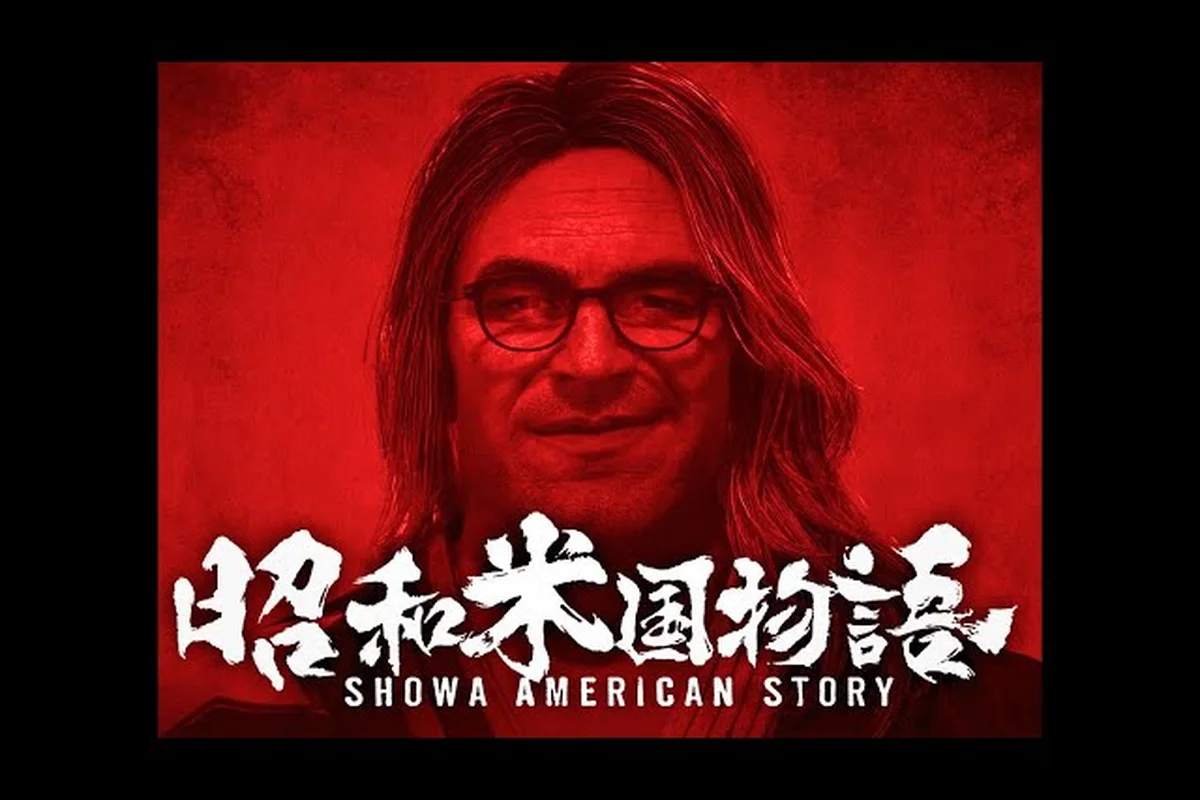
Showa American Story Chigusa Choko: Stuntwoman Reborn
Who is Chigusa Choko? Meet Showa American Story's resurrected stuntwoman heroine: her age, skills, family, and the murder that starts the road trip.
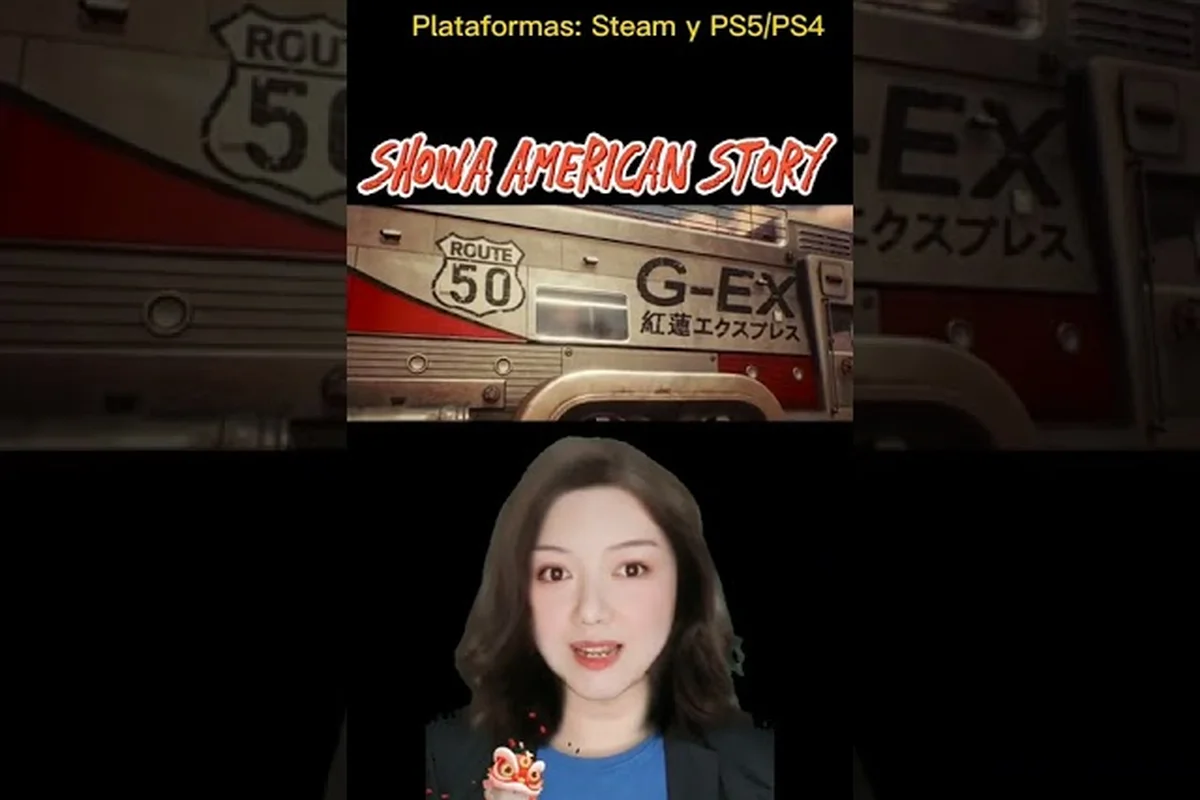
Showa American Story Factions of Showa America Explained
Showa American Story factions explained: wasteland survivors, the Zombie Human Rights Association, raiders, and the mysterious men in black hunting Choko.
All Articles
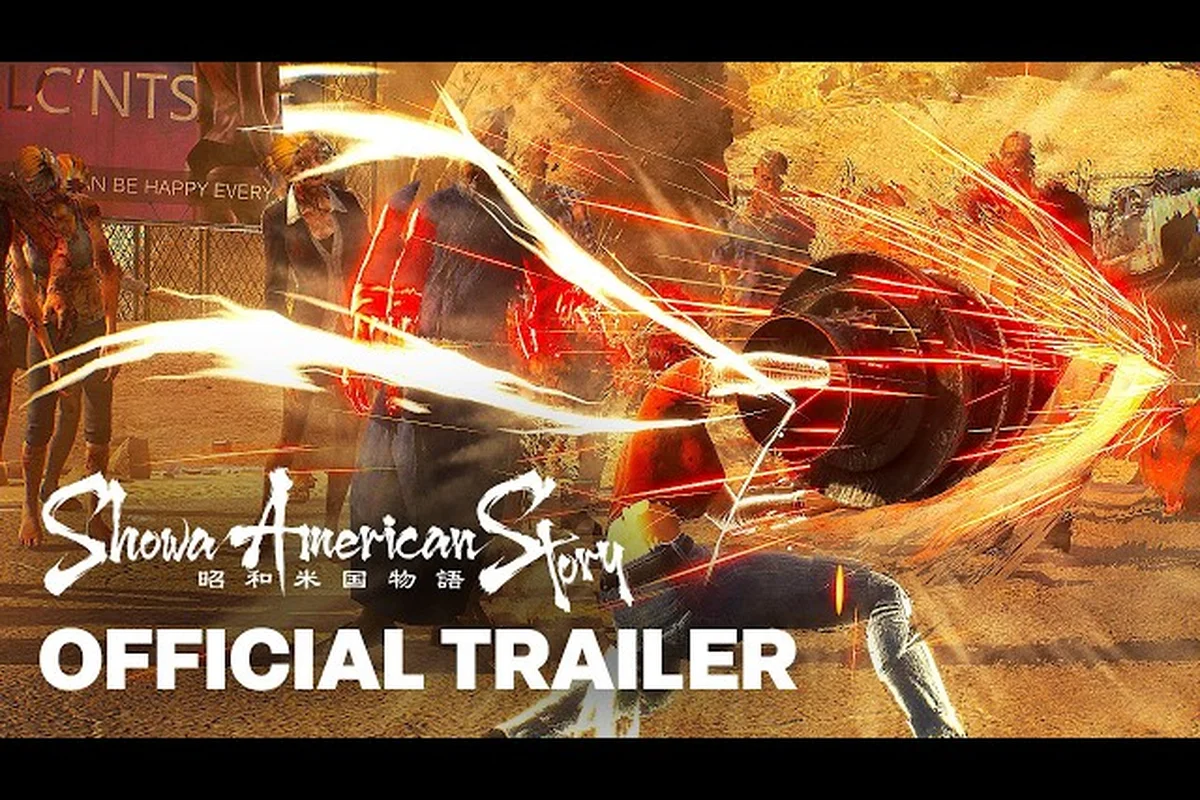
Showa American Story Plot Summary of the Revenge Trip
A full Showa American Story plot summary: Choko's assassination at Neo Yokohama airport, her resurrection, and the revenge journey across zombie America.
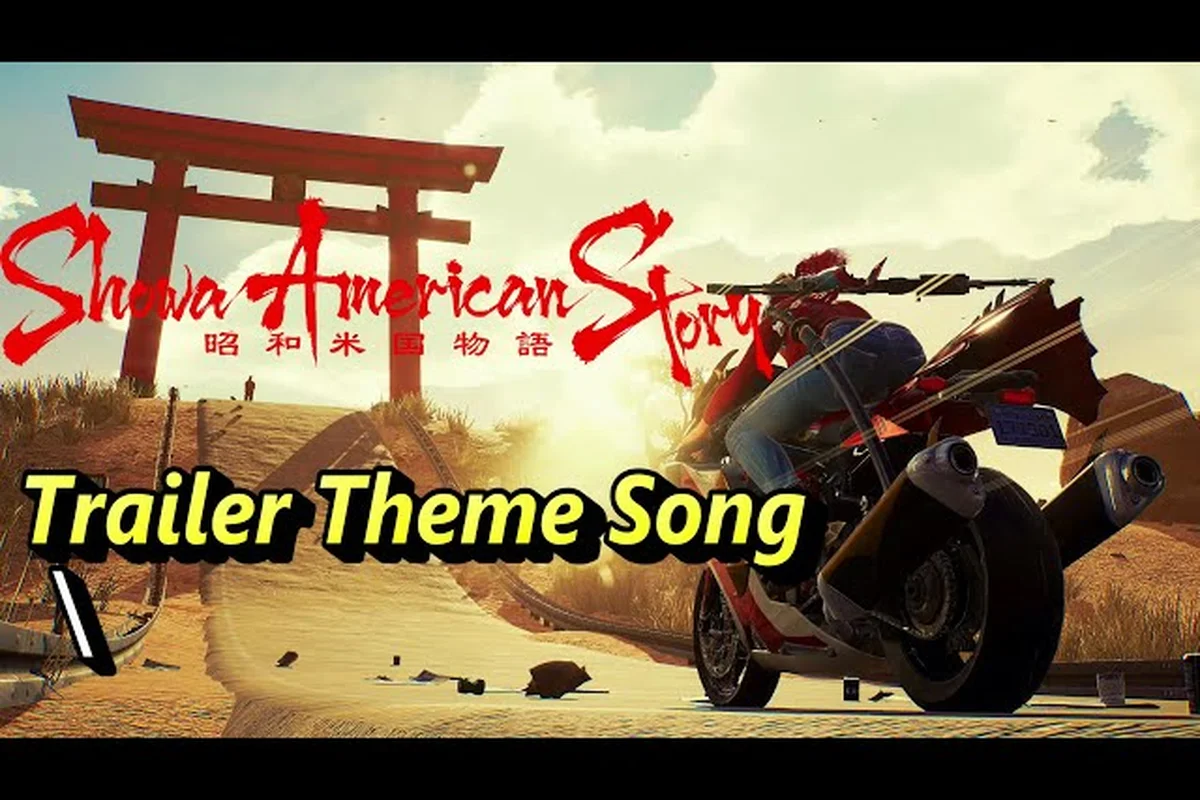
Showa American Story Sorega Daiji Theme Song Meaning
Why Sorega Daiji themes the whole game: the Daijiman Brothers Band theme song meaning, its bubble‑era lyrics spirit, and director Luo's nostalgia pick.
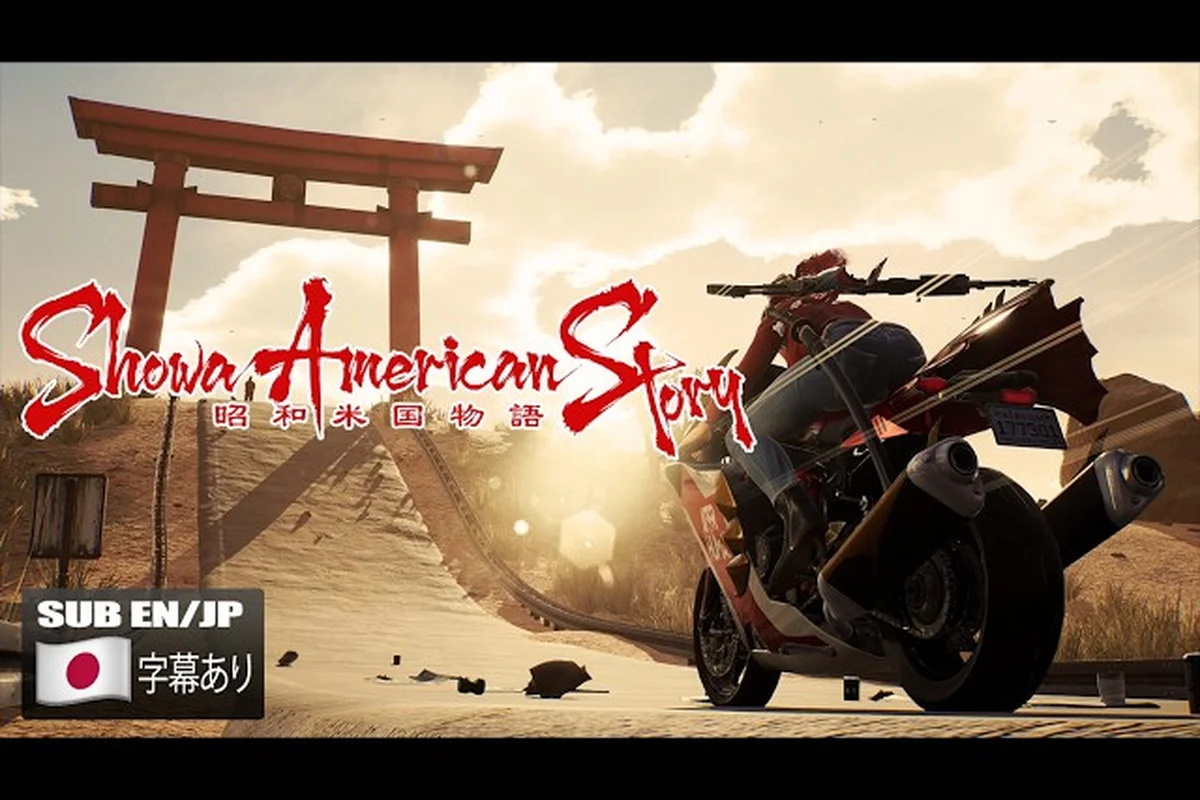
Showa American Story Who Killed Choko? The Mystery Men
Who killed Choko in Showa American Story? We trace the black-clad assassins, the airport ambush, and clues about who ordered the hit on the stuntwoman.